Advertise

Advertisement

Search This Blog

 
Showing posts with label H1N1. Show all posts

WHO: World H1N1 Deaths Now at Least 11,516

GENEVA —  At least 11,516 people around the globe have died from the H1N1 flu virus since the pandemic emerged in April, the World Health Organization (WHO) reported on Wednesday.


klamm.de - Geld. News. Promotion!


But in its weekly update, which showed an increase in officially reported deaths of nearly 1,000 since its last report, it said the disease appeared to have peaked or plateaued in Western Europe and North America while transmission was declining in parts of Asia.
In the United States and Canada, the virus remained geographically widespread but overall levels of flu-like illnesses had declined substantially and hospitalizations and deaths were dropping, the WHO said.


In Europe, active transmission of the virus was still widespread across the continent but in a majority of countries its activity appeared to have peaked — although it was increasing in central and eastern parts of the continent.
In an earlier report on Tuesday, the United Nations agency said the pandemic remained moderate but continued to infect and sometimes kill much younger people than traditional seasonal flu.
But although it gives figures of confirmed deaths from H1N1, sometimes known as swine flu, officials at the WHO say comparing mortality numbers from the two types of flu is complicated and can be misleading.


klamm.de - Geld. News. Promotion!
Read more...

H1N1 Deadlier in Children Than Seasonal Flu


klamm.de - Geld. News. Promotion!

BOSTON —  H1N1 swine flu can kill children at a much higher rate than seasonal flu, and the elevated risk for pregnant women extends as long as two weeks after they give birth, researchers reported.
The findings show that the H1N1 pandemic, while overall no more deadly than seasonal flu, is capable of hitting vulnerable women and children far harder than regular flu usually does.
"Pediatric 2009 H1N1 influenza was associated with pediatric death rates that were 10 times the rates for seasonal influenza than in previous years," Dr. Romina Libster of Hospital Posadas in Buenos Aires and colleagues wrote in the New England Journal of Medicine.
They said hospitalization rates for children with H1N1 were twice those of the 2008 rate for seasonal influenza.
H1N1 flu has killed more than 10,000 people in the United States alone, infected nearly 50 million and put 200,000 into the hospital. Pregnant women and children were known to be at higher risk and had already been given priority for the vaccine.
The results show that prompt treatment is important, Dr. Fernando Pollack of Vanderbilt University in Tennessee said in a telephone interview. Roche AG's Tamiflu and GlaxoSmithKline's Relenza can help ease symptoms if given quickly.
"We cannot chase this disease from behind. Once it gets going, it is very difficult to treat. All our fatal cases had not been treated within 48 hours of the development of symptoms," he said.
"Patients with lung problems or neurologic problems are at serious risk of not only having serious disease, but dying of swine flu," Pollack added. "They should not only be targets for vaccination, but for treatment."
Of 251 children hospitalized with H1N1 at six pediatric centers in Buenos Aires through July, 19 percent ended up in the intensive care unit and most of them required mechanical ventilation.
The death rate was 5 percent. Nearly one third had no pre-existing health problems, and the risk was highest among children less than 1 year old.
In contrast, none of the youngsters hospitalized for seasonal influenza required intensive care.
A second study, involving 94 pregnant women who became ill with H1N1 before Aug. 11 in California, found that those who delayed treatment were four times more likely to end up in the intensive care unit or die compared to those who received antiviral therapy no later than two days after symptoms appeared.

klamm.de - Geld. News. Promotion!

"Although pregnant women frequently presented with mild or moderate symptoms, many had a rapid clinical progression and deterioration," Dr. Janice Louie of the California Department of Public Health and colleagues wrote.
Eight women who were hospitalized for H1N1 flu had given birth less than two weeks earlier, four required intensive care and two died, "highlighting the continued high risk immediately after pregnancy," the researchers said.
That result was surprising, Louie said in a telephone interview. She did not know why women continue to be vulnerable after giving birth.

Read more...

Guidance for expanded use of oseltamivir (Tamiflu®) in children under one year of age in the context of Pandemic (H1N1) 2009

The following guidance should be read in conjunction with relevant provincial and territorial guidance documents. The Public Health Agency of Canada will be posting regular updates and related documents at www.phac-aspc.gc.ca.

klamm.de - Geld. News. Promotion!

ntroduction

This guidance document has been prepared by the Public Health Agency of Canada to assist clinicians in the management of children under one year of age presenting with influenza-like-illness (ILI) in the context of the pandemic (H1N1) 2009 (pH1N1).  This guidance has been updated based on current scientific evidence, expert opinion and the Interim Order, issued by the Federal Minister of Health, permitting the expanded use of oseltamivir for the influenza A H1N1 virus in children under 1 year of age.Although there are limited data regarding the use of Tamiflu® in children under one, there continues to be a need for recommendations to treat this population, given their increased risk for morbidity and mortality from influenza.   Similar actions have also been taken internationally by the US FDA and the EMEA .  This guidance is subject to review and change as new information becomes available.  These guidelines should be used in conjunction with guidance contained in the Clinical recommendations for patients presenting with respiratory symptoms during the 2009-2010 influenza season, H1N1 PHAC Guidelines for health professionals, Annex E and Annex G of the Canadian Pandemic Influenza Plan.

Influenza and children

Healthy children under 24 months and children with certain chronic health conditions are at increased risk of influenza-related complications and hospitalization from seasonal influenza6 .  Recent Canadian epidemiological data for pH1N1 indicates higher rates of hospitalization and ICU admissions in children under 1 year of age compared with all pH1N1 cases in Canada.  In children under the age of 2 years, greater than 90% have presented with fever when infected with pH1N1. Children may have higher fevers and may have febrile seizures. Atypical presentations are most common in infants, the elderly and immunocompromised persons. Unexplained fever may be the only manifestation of the disease in infants.  In infants less than 2 months old, the condition can progress rapidly to severe illness.  Younger children may experience nausea, vomiting, diarrhea and abdominal pain7 .  Infants may also present with neurologic symptoms suggestive of meningitis or encephalitis, although the data for pH1N1 indicates these symptoms have occurred in < 5% of cases. *
* Public Health Agency of Canada. Unpublished data. 

CLINICAL MANAGEMENT of children under 1 year of age

Antivirals can reduce complications and mortality from influenza. Currently, the pH1N1 virus is susceptible to oseltamivir (Tamiflu®) and zanamivir (Relenza®), but resistant to amantadine.  Relenza® is indicated only in children 7 years or older.  The Interim Order issued by the Federal Minister of Health, pursuant to her authority under the Food and Drugs Act, permits the expanded use of oseltamivir as a treatment or prophylaxis for children under 1 year of age, for infection caused by the pH1N1 virus1. Adverse event data regarding use in children over 1 year of age is available in the Product Monograph8
Clinical recommendations for the management of children under 1 year of age presenting with suspected, probable or confirmed pH1N1 infection, include early antiviral treatment (within 48 hours of symptom onset) and close follow-up, as they are at high risk for complications of influenza. When pH1N1 is known to be circulating in the community, clinicians should not wait for laboratory confirmation prior to initiating treatment. The parents or guardian should be informed that this is exceptional use. A recent review of the available clinical safety data indicates that there are no new safety signals for this age group and that the safety profile remains similar to that seen in children over one year of age. Currently available pharmacokinetic data supports updating Canadian recommendations for oseltamivir dosing. If oseltamivir is prescribed, the following dosing is recommended:
A) Treatment
Age
Recommended Dose (weight-based), 1, 2
1 month to < 12 months
3mg/kg/dose twice daily for 5 days
< 1 month
2 mg/kg/dose twice daily for 5 days
1 Not to exceed 30 mg twice daily, in accord with recommended dosing for patients > 1 year of age
2 Weight-based dosing is preferred, however, if weight is not known, dosing by age for full-term infants may be necessary as follows: 0-<3 months =  12 mg twice daily; 3-<6 months =  20 mg twice daily; 6 -<12 months = 25 mg twice daily

The Health Canada recommended dosing for infants under the age of 1 year is not intended for premature infants (those < 37 weeks gestational age at birth who have not reached their expected due date), and may result in high drug concentrations in this age group.
Very limited data from a cohort of premature infants receiving a mean dose of 1.7 mg/kg BID demonstrated drug concentrations higher than those observed in term infants given a dose of 3 mg/kg BID. Insufficient data is available at this time to make specific recommendations for premature infants. It is recommended that clinicians consult with an infectious disease specialist and/or pharmacist when considering antiviral treatment of pre-term infants. In addition, an important consideration in the treatment of infants with lower body weight is the significant difference between weight-based dosing and age-based dosing; therefore it is important to get an accurate weight and use weight-based dosages as soon as possible.
Commercially manufactured Tamiflu for Oral Suspension should be used if available; if not, refer to the instructions found in “Emergency Compounding of an oral suspension from Tamiflu® capsules” on page 16 of the Tamiflu® This link will take you to another Web site (external site)product monograph8 .
Children under 1 year of age with influenza should be treated in hospital.  If during the H1N1 pandemic demands on hospital resources become too great, hospitalization is still indicated in children less than 3 months, due to their increased risk of progressing rapidly to severe disease.  Treatment should be started as soon as possible as the benefit wanes if treatment is initiated after 48 hours of the onset of symptoms. 
B) Prophylaxis

klamm.de - Geld. News. Promotion!

At phase 6 of the pandemic, prophylactic use of antivirals is recommended only for outbreak control in closed health care settings or other closed facilities where high risk persons reside. If after a careful risk/benefit assessment this is thought to be clinically indicated for a particular patient, the following dosing with oseltamivir is recommended: 
Age
Recommended Dose (weight-based), 1, 2
3 month to < 12 months
3mg/kg/dose twice daily for 10 days 3
< 3 month
Not recommended at this time4
1 Not to exceed 30 mg once daily, in accord with recommended dosing for patients > 1 year of age
2 Weight-based dosing is preferred, however, if weight is not known, dosing by age for full-term infants may be necessary as follows: 3-<6  months =  20 mg once daily; 6-<12 months = 25 mg once daily
3 In children and the elderly, viral shedding may continue for up to 14 days after the onset of influenza illness. Therefore, if the index case is a child or an elderly person, prophylaxis with TAMIFLU may continue for up to 14 days.
4 Based on the available data, prevention of influenza in infants under 3 months of age is not recommended at this time unless there has been significant exposure and/or the risk of severe illness is considered to be high.

Adverse Reaction Reporting
Reports of adverse reactions to antiviral medications are important as this information will be used to guide their safe and effective use, particularly in certain populations where there may only be limited safety data available, for example pregnant women and children .
The Interim Order regarding the expanded use of Tamiflu® for children under one year of age applies to all strengths and formulations:
DIN#02304848, 30mg capsule
DIN#02304856, 45mg capsule
DIN#02241472, 75mg capsule
DIN#02245549, 12mg/ml (reconstituted) oral suspension
Read more...

WHO use of advisory bodies in responding to the influenza pandemic

Pandemic (H1N1) 2009 briefing note 19


3 DECEMBER 2009 | GENEVA -- WHO is aware of some concerns, expressed in the media, that ties with the pharmaceutical industry among experts on the Organization’s advisory bodies may influence policy decisions, especially those relating to the influenza pandemic.
WHO has historically collaborated with the pharmaceutical industry for legitimate reasons. Efforts to improve health depend on better access to high-quality and affordable medicines, vaccines, and diagnostics. Medical interventions, including antiviral drugs, vaccines, and diagnostic tests, have long been recognized for their role in mitigating the health impact of an influenza pandemic. Pharmaceutical companies play an essential role in this regard and WHO has engaged with them to pursue its public health objectives.

Conflicts of interest: safeguards in place

Potential conflicts of interest are inherent in any relationship between a normative and health development agency, like WHO, and a profit-driven industry. Similar considerations apply when experts advising the Organization have professional links with pharmaceutical companies. Numerous safeguards are in place to manage possible conflicts of interest or their perception.
External experts who advise WHO are required to provide a declaration of interests that details professional or financial interests that could compromise the impartiality of their advice. Procedures are in place for identifying, investigating and assessing potential conflicts of interest, disclosing them, and taking appropriate action such as excluding an expert from participating in a meeting.

International Health Regulations

The influenza pandemic is providing the first major test of the revised International Health Regulations, which were approved by WHO Member States in 2005 and came into legal force in 2007. The Regulations provide an orderly, rules-based mechanism for coordinating the response to public health emergencies of international concern, such as that caused by the H1N1 pandemic virus.
Apart from protecting public health against the international spread of disease, the Regulations contain provisions for avoiding unnecessary interference with international travel and trade.
Under the provisions of the revised Regulations, an Emergency Committee advises the WHO Director-General on matters such as declaring a public health emergency of international concern, the need to raise the level of pandemic alert following spread of the H1N1 virus, and the need to introduce temporary measures, such as restrictions on travel or trade. Final decisions are made by the Director-General, as guided by the Committee’s advice.
All members of the Emergency Committee sign a confidentiality agreement, provide a declaration of interests, and agree to give their consultative time freely, without compensation. Members of the Committee are drawn from a roster of about 160 experts covering a range of public health areas. The framework for membership is set out in the International Health Regulations. Each State Party to the Regulations is entitled to nominate one member of the roster and additional experts are appointed by the Director-General. Recommendations of the Emergency Committee are immediately made public on the WHO web site together with the relevant decisions of the Director-General.

Strategic Advisory Group of Experts on Immunization

In responding to the pandemic, WHO has also drawn on advice from a standing body of experts, the Strategic Advisory Group of Experts on Immunization (SAGE), which advises WHO on vaccine use. Members of SAGE are likewise required to declare all professional and financial interests, including funding received from pharmaceutical companies or consultancies or other forms of professional engagement with pharmaceutical companies. The names and affiliations of members of SAGE and of SAGE working groups are published on the WHO web site, together with meeting reports and declarations of interest submitted by the experts.
Allegations of undeclared conflicts of interest are taken very seriously by WHO, and are immediately investigated.

Criticisms: understandable but unfounded

Public perceptions about the current H1N1 influenza pandemic, as well as national preparedness plans, were strongly influenced by a five-year close watch over the highly lethal H5N1 avian influenza virus, which was widely regarded as the virus most likely to ignite the next influenza pandemic. A pandemic caused by a virus that kills more than 60% of the people it infects is strikingly, and fortunately, very different from the reality of the current pandemic.
Adjusting public perceptions to suit a far less lethal virus has been problematic. Given the discrepancy between what was expected and what has happened, a search for ulterior motives on the part of WHO and its scientific advisers is understandable, though without justification.
WHO has consistently assessed the impact of the current influenza pandemic as moderate. WHO has consistently reminded the medical community, public, and media that the overwhelming majority of patients experience mild influenza-like illness and recover fully within a week, even without any form of medical treatment. WHO has consistently advised against any restrictions on travel or trade. Although influenza viruses are notoriously unpredictable, it is hoped that this moderate impact will continue throughout the duration of the pandemic.

Read more...

H1N1 immunization starts next week in Nova Scotia


With the announcement of federal authorization of the pandemic H1N1 vaccine, Nova Scotia is set to begin its biggest immunization campaign yet, Dr. Robert Strang, the province's chief public health officer, announced on Wednesday, Oct. 21.


Immunizations will get underway in this province next week.

The federal authorization order for H1N1 vaccine means the government of Canada is satisfied the vaccine is safe and effective.

Specifics of the Nova Scotia plan include:

•H1N1 vaccine will be available for free to all Nova Scotians who want it;

•People in high-risk groups for seasonal flu can get seasonal flu and H1N1 shots at the same time;

•H1N1 vaccine will be available through community clinics, some doctor offices and workplace clinics;

•Community clinics will begin across Nova Scotia over the next two weeks.

"I have every confidence that the H1N1 vaccine is safe and effective for Nova Scotians," said Dr. Strang. "I urge all Nova Scotians to get the H1N1 vaccine. It is the best way to protect yourself and your community."

Nova Scotia has ordered 1.4 million doses of the vaccine. The first shipment, 52,000 doses, arrived on Oct. 19. The province will pay about $4.5 million for the vaccine.

District health authorities are organizing community immunization clinics. Doctors will also have the option to offer the vaccine in their offices. Private nursing agencies can also get the vaccine for workplace clinics. H1N1 vaccine is also being provided to hospitals and long-term care facilities to immunize staff.

Each district health authority will organize its immunization program, including clinic dates and times. Nova Scotians should check with local district health authorities for dates and times.

"Every Nova Scotian who wants the H1N1 vaccine will be able to receive it," Dr. Strang said. "Our priority is to ensure that all Nova Scotians have the opportunity to receive the vaccine in a timely manner."

If Nova Scotians have questions about the vaccination, they can go to www.gov.ns.ca , call their local public health unit or call HealthLink 811.

Groups at high risk for seasonal flu can receive that vaccine at the same time.

"In the weeks past, we were recommending that only people above the age of 65 and those in long-term care facilities get the seasonal flu vaccine," said Dr. Strang. "Our decision was based on the best information we had available to us at that time.

"New data indicates that we can offer the vaccines concurrently. In an effort to make it easier for Nova Scotians, both the H1N1 vaccine and seasonal flu vaccine will be offered at the mass immunization clinics."

As in previous years, the seasonal flu vaccine will also be available through doctors' offices.

Signs of H1N1 activity are now starting to be seen in Nova Scotia. There have been 17 confirmed cases of H1N1 in the province since Aug. 29. There has been one death in Nova Scotia associated with the virus.

Dr. Strang continues to advise Nova Scotians to make every effort to minimize the spread of the virus. The most important step is to stay home if sick with flu-like symptoms, which are fever and/or cough with unusual tiredness, head/muscle/joint aches or sore throat.

Along with immunization, people are also encouraged to take the following precautions to prevent illness:


•Wash hands often with soap and water, especially after a sneeze or cough. When soap and water are not handy, alcohol-based hand sanitizers are an acceptable alternative.

•Cough and sneeze into elbow or sleeve.

•If using tissues, dispose of them appropriately and wash hands.

•Limit touching eyes, nose and mouth.

•Do not share drinking glasses, water bottles, mouth guards, cosmetics or eating utensils.

•If concerned that medical advice or care is needed, contact HealthLink 811. Like any illness, should symptoms worsen, visit a doctor or walk-in clinic.
Read more...

Production and availability of pandemic (H1N1) 2009 vaccines

Where are pandemic influenza vaccines being produced?


Regulatory authorities have licensed (approved) pandemic vaccines in a number of countries. The length of the approval process depends on factors such as each country's regulatory pathway, the type of vaccine being licensed, and the stage of the manufacturer's readiness to submit appropriate information to regulatory authorities.

What is the global manufacturing capacity for pandemic influenza vaccines?

As of October, WHO estimates worldwide production capacity at about 3 billion doses per year in 12 months if all available capacity is devoted to pandemic vaccine.

What technologies are being used to grow pandemic influenza viruses to make vaccines?

Most of these vaccines are being produced using chicken eggs, while a few manufacturers are using cell culture technology for vaccine production.

Will there be enough pandemic influenza vaccine for everyone?

Production of the pandemic influenza vaccines continue but in some areas demand for vaccination is greater than the supply. This gap will narrow as more vaccines become available over time.

Who will receive priority for vaccination?

WHO continues to recommend that health workers be given first priority for early vaccination to protect themselves and their patients, and help keep health systems functioning as the pandemic evolves.
Other groups at higher risk for severe illness, based on clinical studies, should also be considered as priorities. National authorities will develop and implement vaccination plans based on circumstances within the country.
These other groups include pregnant women; those aged above 6 months with one of several chronic medical conditions; healthy young adults of 15 to 49 years of age; healthy children; healthy adults of 50 to 64 years of age; and healthy adults of 65 years of age and above.

Will developing countries have access to pandemic influenza vaccines? What is WHO doing to help?

The WHO Director-General has called for international solidarity to provide fair and equitable access to pandemic influenza vaccines for all countries. So far, WHO has helped secure significant donations of vaccines from countries and partners (about 200 million doses) for 95 low- and middle-income countries. WHO's goal is to provide each of these 95 countries with enough vaccine to immunize at least 10% of its population. Deployment of the first supplies of vaccines to these countries is expected to take place from November 2009 to February 2010.

How can someone who wants to be vaccinated find out how to get immunized?

National health authorities will decide how to implement national vaccination campaigns. They will know best about whether and where pandemic influenza vaccine is available, and how to get vaccinated.
Read more...

Use of the pandemic (H1N1) 2009 vaccines

How is the vaccine given?

Some vaccines contain inactivated (or killed) viruses. These vaccines are given by injection into the upper arm for most people. In infants and younger children the thigh is the preferred site for the vaccine shot.
Another type of vaccine is made with live viruses, and it is administered by nasal spray.
Both are protective against influenza.


Do people need one dose or two doses of the vaccine?

Immunization experts recommend a single dose of vaccine in adults and adolescents from 10 years of age and above, provided this use is consistent with regulatory authorities' indications. More study is advised on effective dosage regimens for immuno-suppressed persons for whom two doses of vaccine may be needed. Where national authorities have made children a priority for early vaccination, experts are advising one dose of vaccine to as many children as possible over the age of 6 months and younger than 10 years of age. Recommendations on numbers of dosages may need to be adapted rapidly as new data emerges.

Is there anyone who should not have the inactivated pandemic vaccine?

Yes. As general rule, inactivated vaccines should not be administered to:
  • People with a history of anaphylaxis (or hypersensitive reactions), or other life-threatening allergic reactions to any of the constituents or trace residues of the vaccine;
  • People with history of a severe reaction to previous influenza vaccination;
  • People who developed Guillain-Barré syndrome (GBS) within 6 weeks of getting an influenza vaccine;
  • Children less than 6 months of age (inactivated influenza vaccine is not approved for this age group);
  • People who have a moderate-to-severe illness with a fever (they should wait until they recover to get vaccinated).
Product package inserts provide information on who should not get specific vaccine products.

Can the pandemic influenza vaccine be administered simultaneously with other vaccines? What about with the seasonal influenza vaccine?

Inactivated influenza vaccine can be given at the same time as other injectable, non-influenza vaccines, but the vaccines should be administered at different injection sites.
Seasonal influenza and pandemic influenza vaccines can be administered together, and there is a public health value in doing so, according to a global panel of immunization experts. Clinical studies on this area of vaccine administration are continuing.

How can a person who wishes to be vaccinated against the pandemic influenza receive the vaccine?

National health authorities will decide how to implement national pandemic influenza vaccination campaigns. They will know best about whether and where pandemic influenza vaccine is available, and how people can get vaccinated.

Will pandemic influenza vaccines protect against other influenza viruses, such as the seasonal influenza?

The pandemic influenza vaccines are not expected to provide protection against other influenza viruses.
Since current seasonal influenza vaccines do not contain the pandemic virus, people should be vaccinated against both pandemic influenza and seasonal influenza. In the future, the situation could change.


Is there a risk of catching illness from the vaccine itself?

Inactivated vaccines contain killed viruses or parts of viruses, which cannot cause disease. Live influenza vaccine contains weakened influenza virus that multiplies poorly but is unable to cause disease.
Both vaccines can cause some flu-like side effects (e.g. muscle ache, fever) but the symptoms, sometimes associated with vaccination, are generally less pronounced and of much shorter duration.

Why do some people who have been vaccinated still get influenza?

There are some reasons why some people believe they have gotten influenza after vaccination. No vaccines, including pandemic influenza vaccines, provide 100% protection against disease. But they do greatly reduce the risk of disease. Also, influenza vaccines only become effective about 14 days after vaccination. Those infected shortly before (1 to 3 days) or shortly after immunization can still get the disease.
Vaccinated individuals can also get influenza caused by a different strain of influenza virus, for which the vaccine does not provide protection.
Finally, people who have received influenza vaccine can later have an illness, caused by other common viruses that are not influenza, but be mistaken for the flu. In all of these instances, a person could believe that the vaccine failed to protect them or that vaccine caused the disease when neither conclusion is accurate.
Read more...

Safety of pandemic (H1N1) 2009 vaccines

Safety

Are pandemic vaccines safe?

Outcomes of studies completed to date suggest that pandemic vaccines are as safe as seasonal influenza vaccines. Side effects seen so far are similar to those observed with seasonal influenza vaccines.


What about safety for pregnant women?

To date, studies do not show harmful effects from the pandemic influenza vaccine with respect to pregnancy, fertility, or a developing embryo or fetus, birthing or post-natal development. In view of the elevated risk for severe illness for pregnant women infected by the new influenza, in clinical studies, pregnant women are a group that should be vaccinated against infection, as supplies allow.
Recent studies show that infected pregnant women have a 10 times higher chance to require hospitalization in intensive care units than infected persons in the general population, and 7% to 10% of hospitalized cases are women in their second or third trimester of pregnancy. The benefits of vaccination far outweigh the risks.
Additional studies on pregnant women following immunization are continuing.

What about my child's safety from a reaction?

The most frequent vaccine reactions in children following influenza immunization are similar to those seen after other childhood immunizations (such as soreness at the injection site, or fever). A child's health care provider or vaccinator can advise on the most appropriate methods for relief of the symptoms. If there are concerns about a child's safety from a reaction, consult a health care provider as soon as possible. Please note that a child may suffer from a condition not related to immunization, which coincidentally developed after vaccination.

Testing and approval

What kind of testing is being done to ensure safety?

Because the pandemic virus is new, both non-clinical and clinical testing is being done to gain essential information on immune response and safety. The results of studies reported to date suggest the vaccines are as safe as seasonal influenza vaccines. However, even very large clinical studies will not be able to identify possible rare events that can become evident when pandemic vaccines are administered to many millions of people.
WHO advises all countries administering pandemic vaccines to conduct intensive monitoring for safety and report serious adverse events.

Who approves pandemic vaccines for use?

National authorities for medicines approve (or license) pandemic influenza vaccines for use. These authorities carefully examine the known and suspected risks and benefits of any vaccine prior to its licensing. Expedited regulatory processes in some countries have helped to license the new vaccine in a timely manner. However, the testing and manufacturing processes for the new vaccines are similar to seasonal influenza vaccines to ensure quality and safety.

Side effects

What are the expected side effects of the new vaccines?

Some side effects can be associated with influenza vaccination. How often they result depends on the type of vaccine, how it is administered, and the age of the vaccine recipient. There are two main types of vaccines: one is manufactured with inactivated viruses, the other uses live viruses.
Inactivated vaccines, administered by injection, commonly cause local reactions such as soreness, swelling and redness at the injection site, and less often can cause fever, muscle- or joint- aches or headache. These symptoms are generally mild, do not need medical attention, and last 1 to 2 days. Fever, aches and headaches can occur more frequently in children compared to elderly people.
Rarely, such influenza vaccines can cause allergic reactions such as hives, rapid swelling of deeper skin layers and tissues, asthma or a severe multisystem allergic reaction due to hypersensitivity to certain vaccine components.
Live vaccines are given via a nasal spray, and can commonly cause runny nose, nasal congestion, cough, and can less frequently cause sore throat, low grade fever, irritability and head- and muscle- aches. Wheezing and vomiting episodes have been described in children receiving live influenza vaccines.

Have clinical studies identified all the possible side effects?

Again, even very large clinical studies will not be able to identify possible rare events that can become evident when pandemic vaccines are administered to many millions of people. These can only be assessed when a vaccine is in widespread use.
Clinical trials often provide safety information for the general population. Additional monitoring of some special groups of vaccine recipients is necessary to gather specific safety information.
Additional and comprehensive monitoring efforts of the pandemic influenza vaccine are being planned as they are being used by more and more people around the world.
WHO advises all countries administering pandemic vaccines to conduct intensive monitoring for safety, and report adverse events.

Adverse events

Have their been any reports of serious reactions, or adverse events, to pandemic vaccines?

As of late October, there is no indication at this stage that unusual adverse events are being observed after immunization, according to clinical trials and adverse event monitoring during deployment of vaccines in early introducer countries. The need for continued vigilance and regular evaluation by health authorities is ongoing.

How should serious reactions to the vaccines be reported?

Reports of serious adverse events, and those raising concerns, should always be submitted to national authorities. So far, reports of potential adverse events following immunizations have been well notified to authorities.

What happens when an adverse event is reported?

At the national level, individual reports are scrutinized for completeness and possible errors. In some instances, reports need to be validated and additional details must be checked. Reports are analysed for findings that are expected or appear more frequently than expected. If an analysis indicates a potential problem, further studies and evaluation are conducted and all relevant national and international authorities are informed. Decisions for appropriate measures are then made to ensure continuing safe use of the vaccine.

Risks falsely associated with vaccines

Will pandemic vaccines contain thiomersal, which some believe is a risk to health?

Thiomersal is a commonly used vaccine preservative to prevent vaccine contamination by bacteria during use. Inactivated vaccines will contain thiomersal if they are supplied in multi-dose vials. Some products can have ''traces" of thiomersal when the chemical is used during the production process as an antibacterial agent, which is later removed during the purification process.
Thiomersal does not contain methyl mercury, which is a naturally-occurring compound and whose toxic effects on humans have been well studied. Thiomersal contains a different form of mercury (i.e. ethyl mercury, which does not accumulate, is metabolized and removed from the body much faster than methyl mercury).
The safety of thiomersal has been rigorously reviewed by scientific groups. There is no evidence of toxicity in infants, children or adults, including pregnant women, exposed to thiomersal in vaccines.

Why do some pandemic influenza vaccines contain adjuvants and others don't? Are vaccines with adjuvants a health risk?

Adjuvants are substances that enhance the immune response in vaccines and can make them more effective. They have been used for many years in some vaccines. Scientific data support the safety of adjuvants in pandemic influenza vaccine production.
Some seasonal influenza vaccines that are intended for people known to have poor immune responses to immunization contain an adjuvant. Some pandemic vaccines contain an adjuvant to reduce the amount of virus antigen to be used (an antigen is a substance capable of stimulating an immune response).
Manufacturers decide whether a product is formulated with or without an adjuvant. Adjuvants used with pandemic influenza vaccines are already licensed for use with other vaccines (e.g. hepatitis B, seasonal or pandemic influenza vaccines, or others), and have a safe track record.

Can influenza vaccination cause chronic diseases?

Current evidence does not indicate that seasonal influenza or pandemic influenza vaccines, or any other vaccine against novel human influenza viruses, either induce or aggravate the course of chronic diseases in vaccine recipients. Careful assessment is required to clarify if adverse events that occur after vaccination are actually caused by an influenza vaccination.

Can influenza vaccination cause Guillain Barré syndrome?

Guillain Barré syndrome (GBS) is a rapidly developing, immune-mediated disorder of the peripheral nervous system that results in muscular weakness. Most people recover completely but some have chronic weakness. It can develop following a variety of infections, including influenza. In people who have been immunized with available vaccines, the frequency of GBS usually is the same as in unvaccinated people. Extensive studies and data analysis of influenza vaccines have only found a well established causal association with the 1976 vaccine that contained an H1N1 swine-influenza-like virus. No other clear association has been found with either seasonal or other pandemic influenza vaccines.

How can a repeat of the 1976 swine flu vaccine complications (Guillain-Barré syndrome) experienced in the United States of America be avoided?

During the 1976 influenza vaccination campaign, about 10 persons per million vaccinated persons developed GBS.
The reason why GBS developed in association with that specific vaccine has never been firmly established. The potential for the development of a similar risk with future vaccines can never be totally excluded. However, pandemic influenza vaccines are manufactured according to established standards, and are similar to recent well-studied influenza vaccines that have shown no association with GBS. Surveillance after vaccines have been sold (post-marketing surveillance) is being conducted to look for potential developments of serious adverse events. Safety monitoring systems are an integral part of strategies for the implementation of the new pandemic influenza vaccines.

Read more...

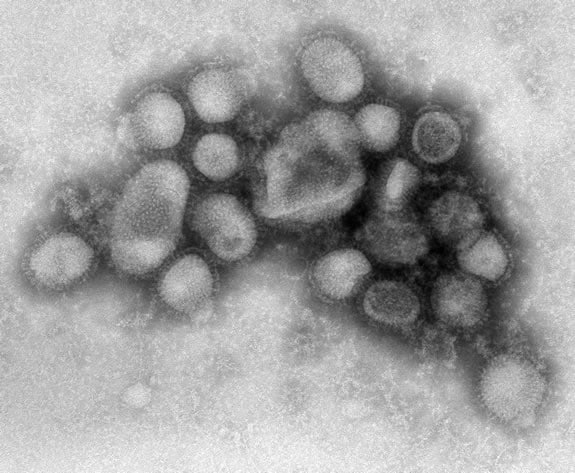
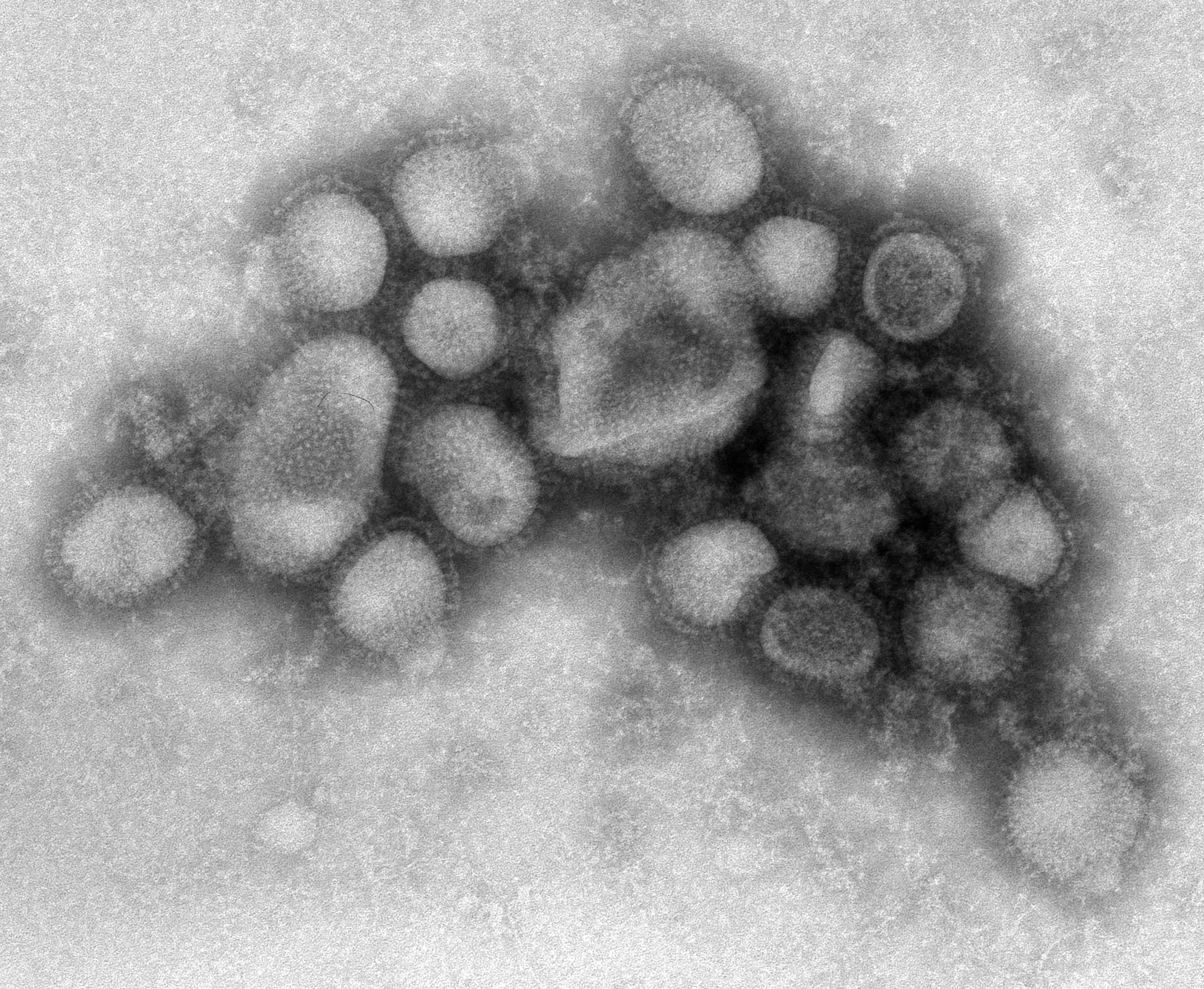
Images of the H1N1 Influenza Virus

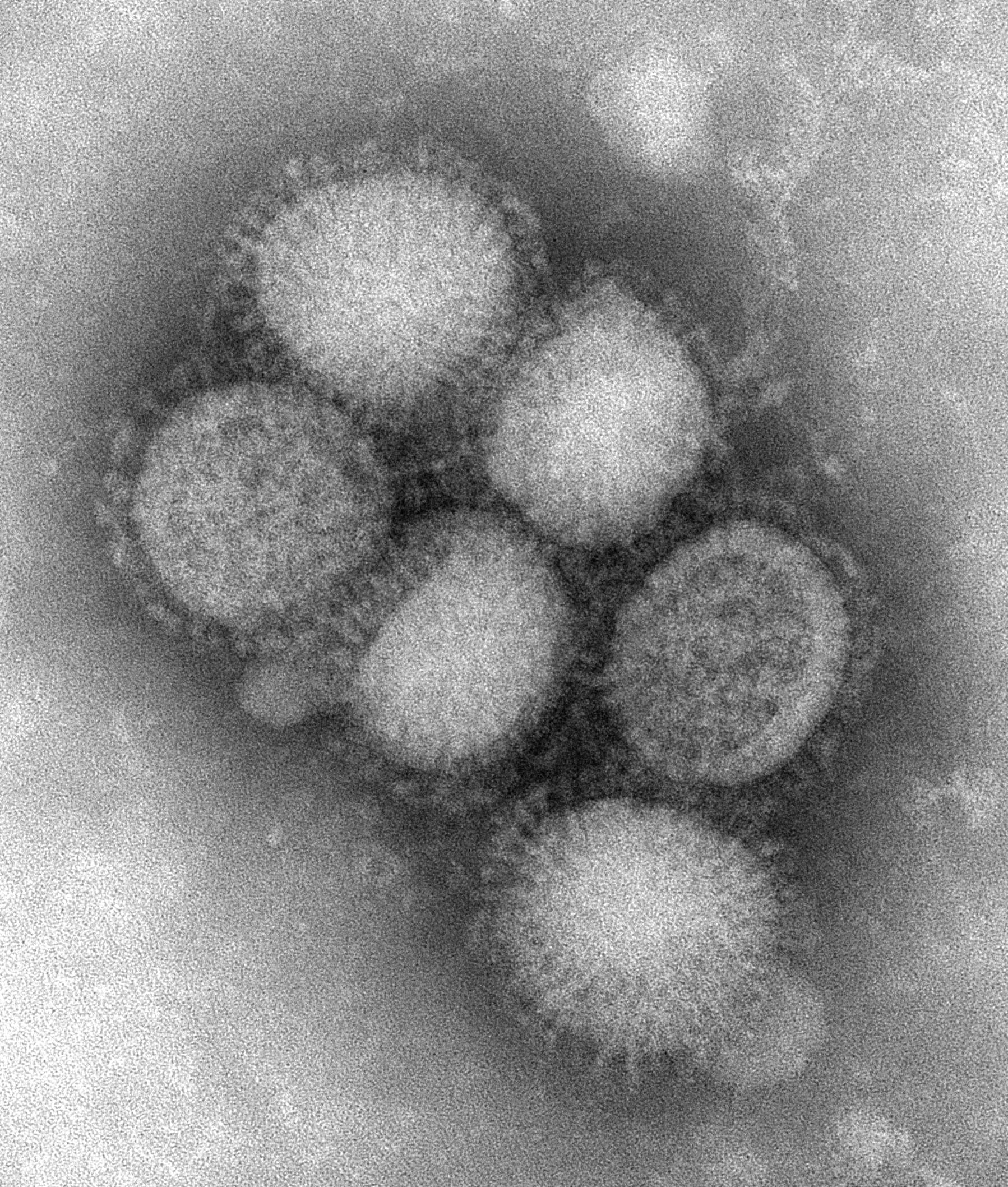
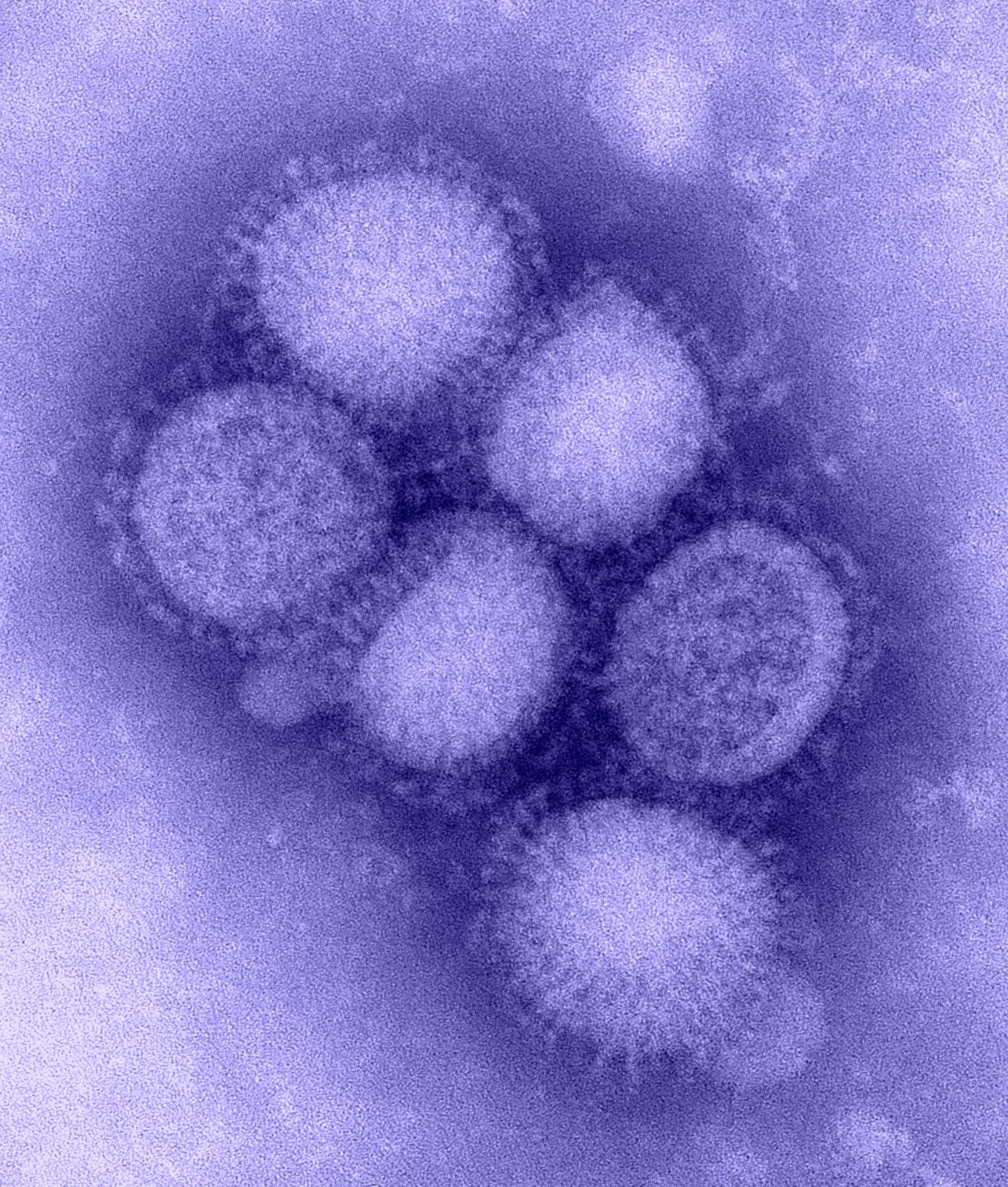
The images below of the newly identified H1N1 influenza virus were taken in the CDC Influenza Laboratory.

Image of H1N1 influenza virusDownload 72 dpi JPEG image:


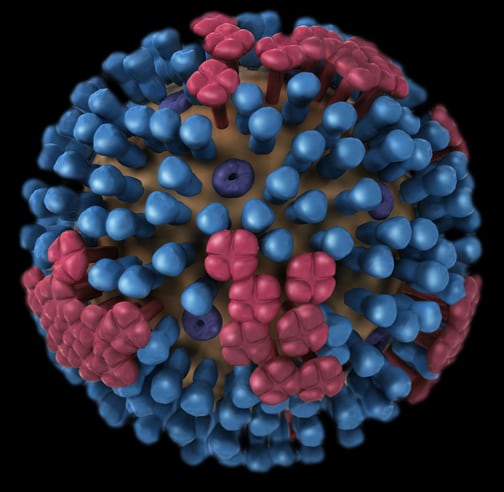
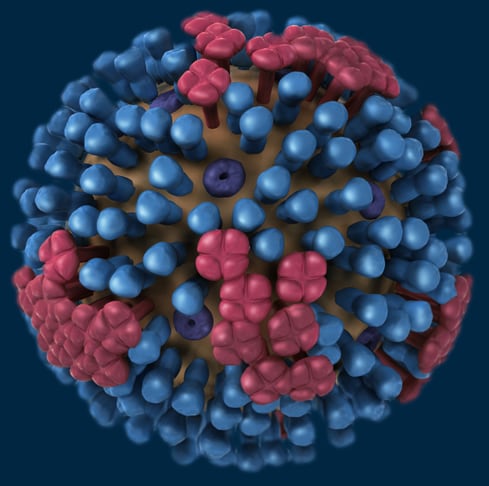
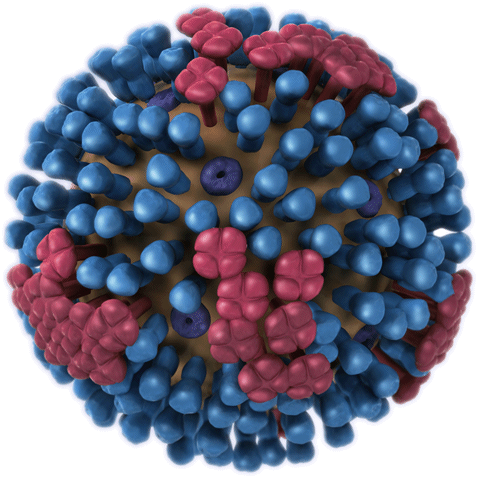
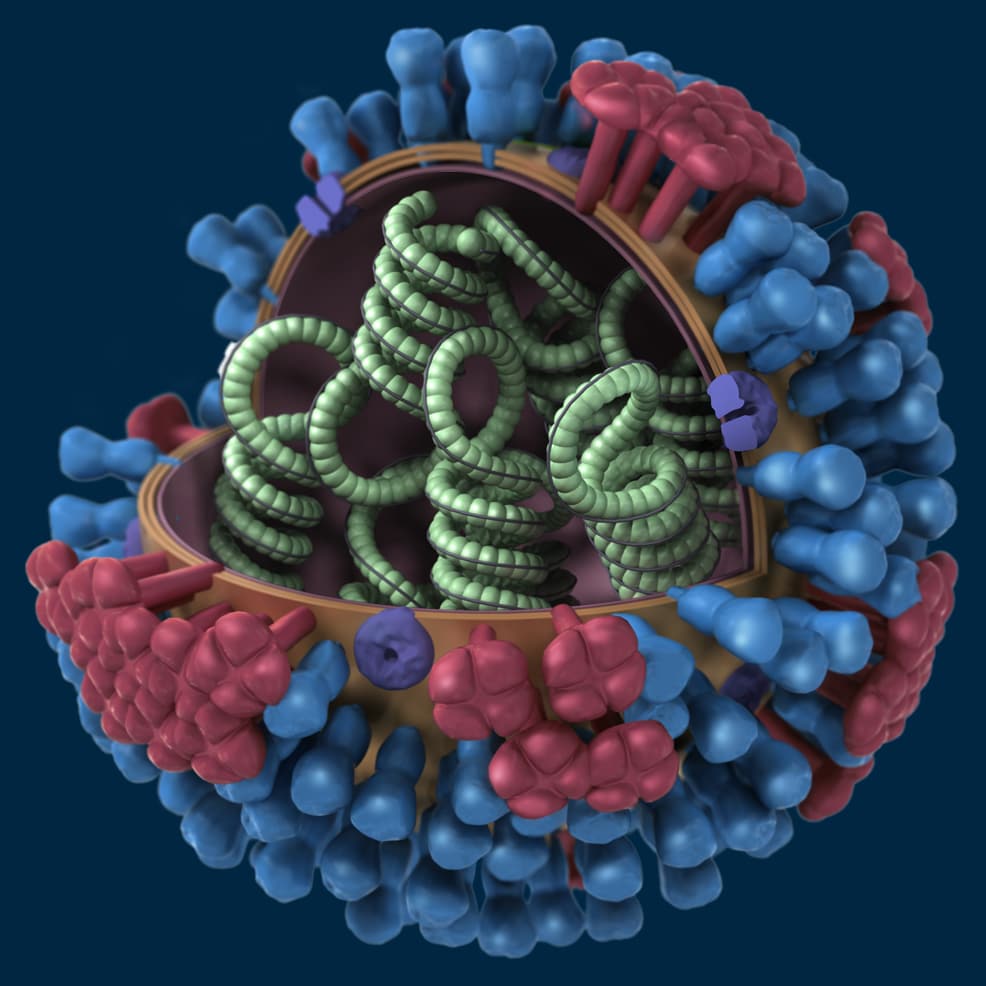
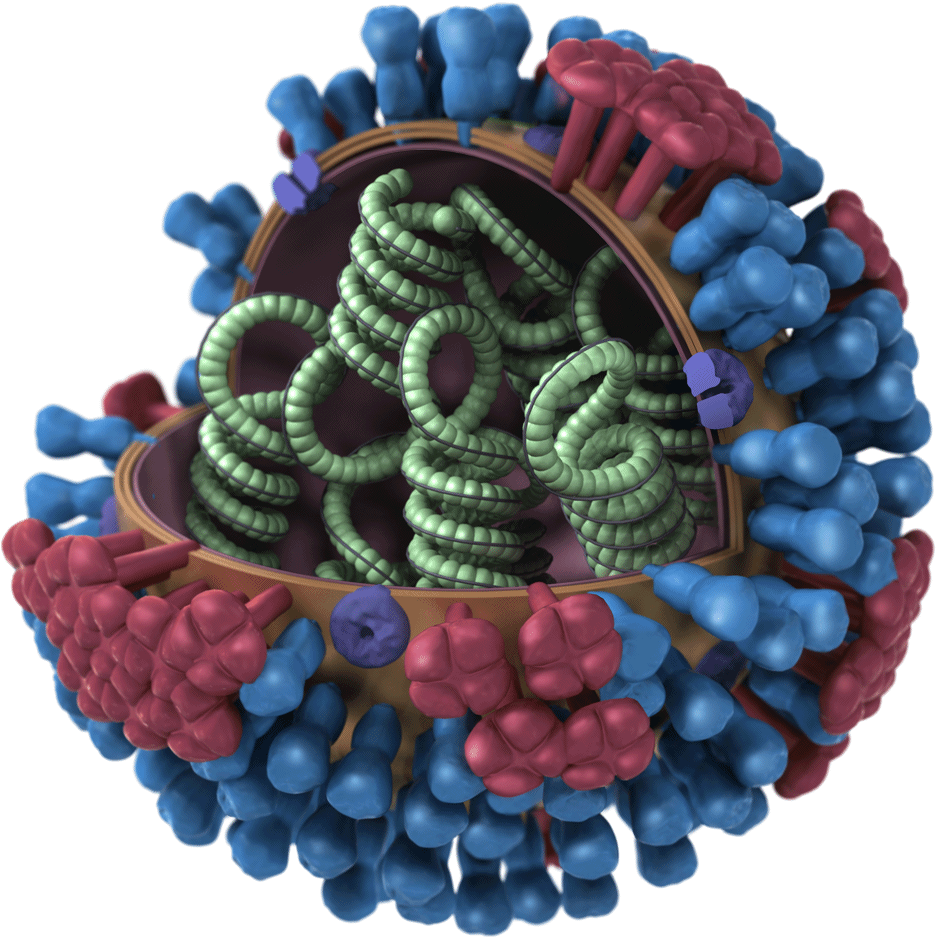
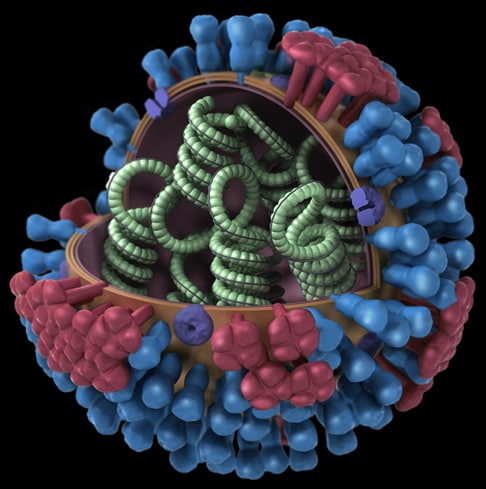
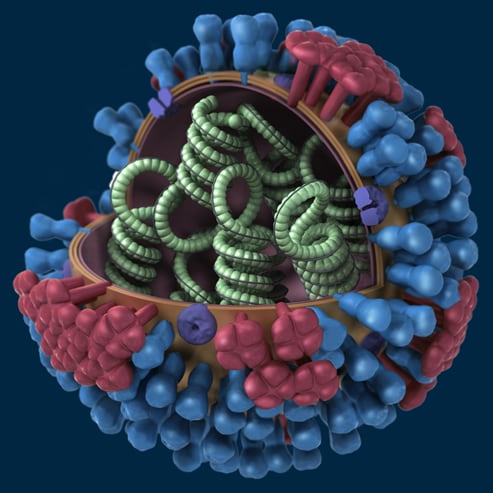
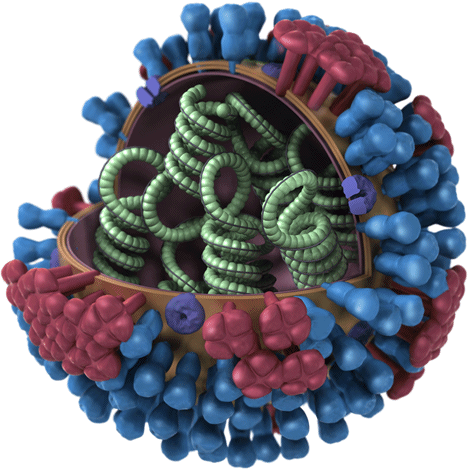
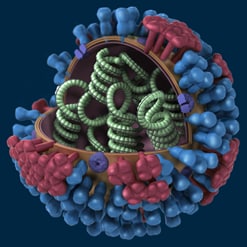
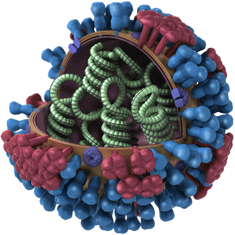
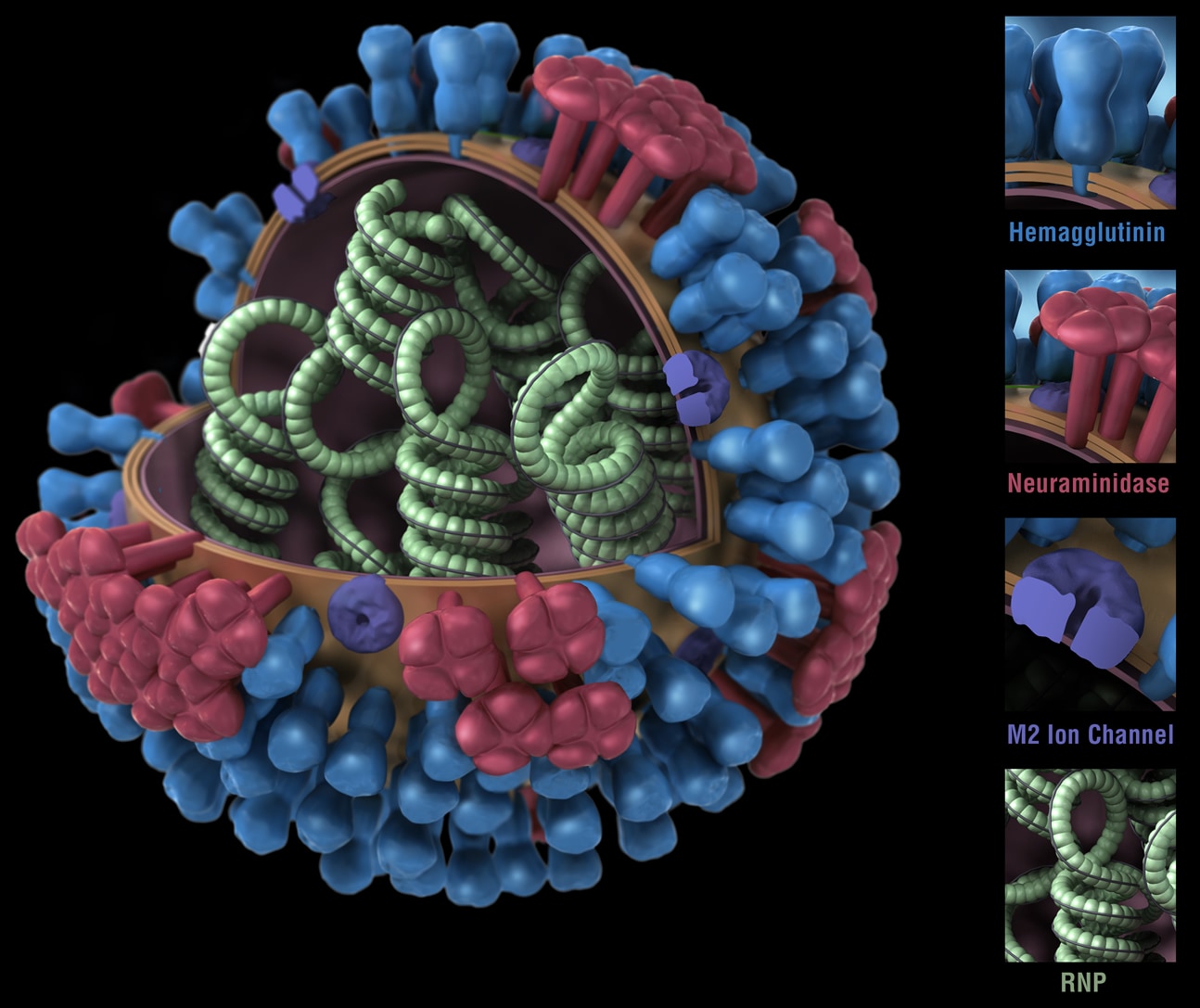
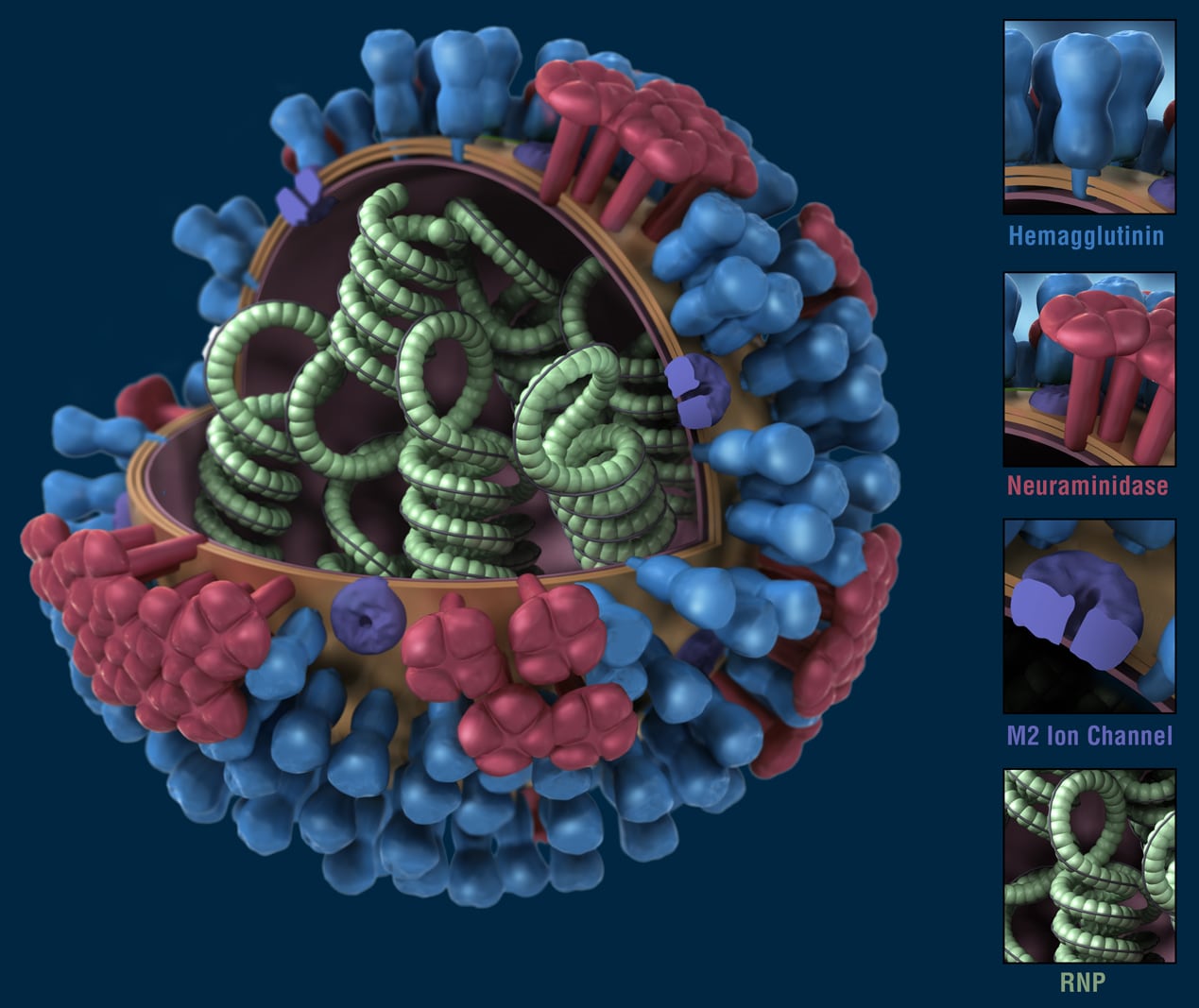
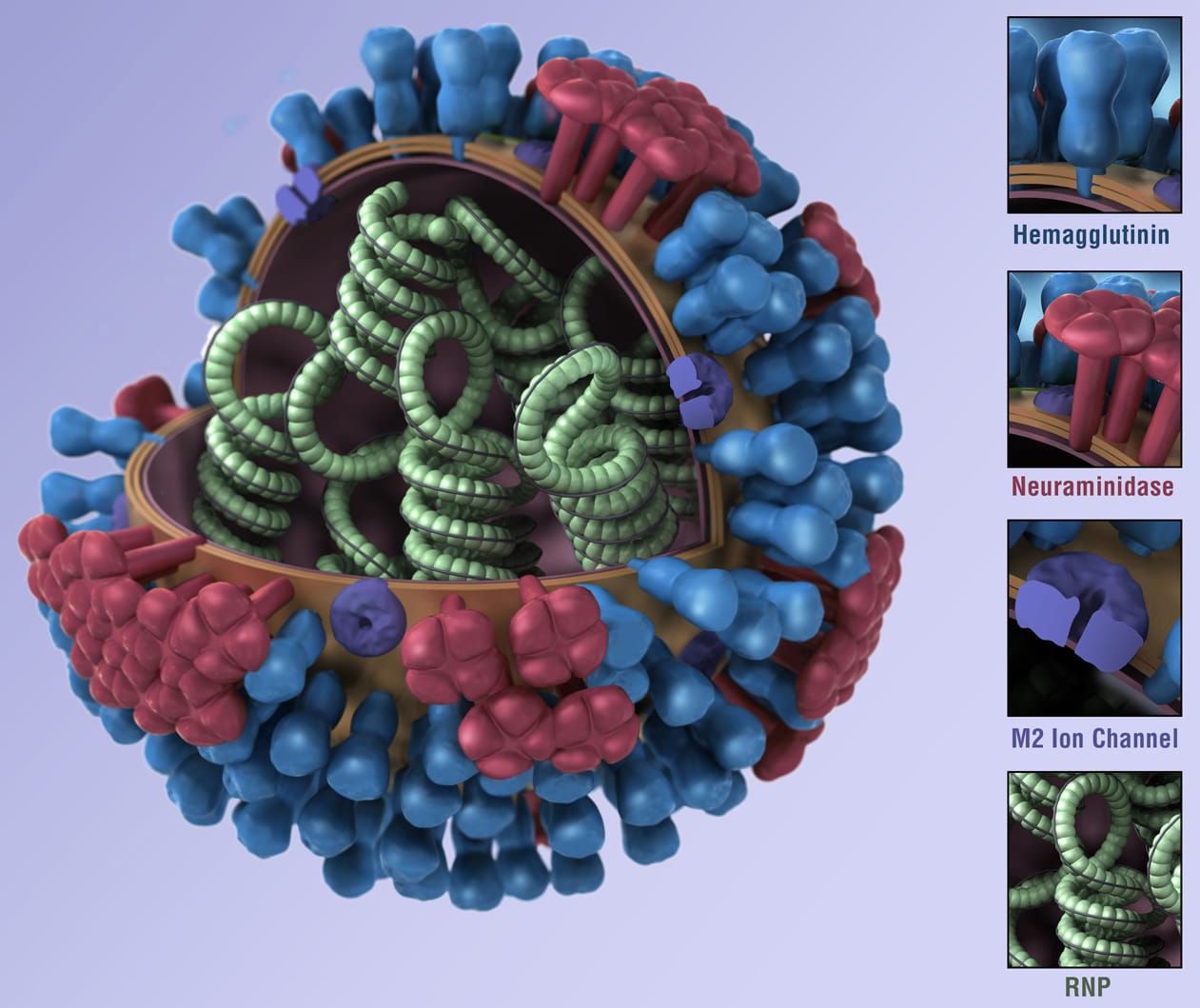
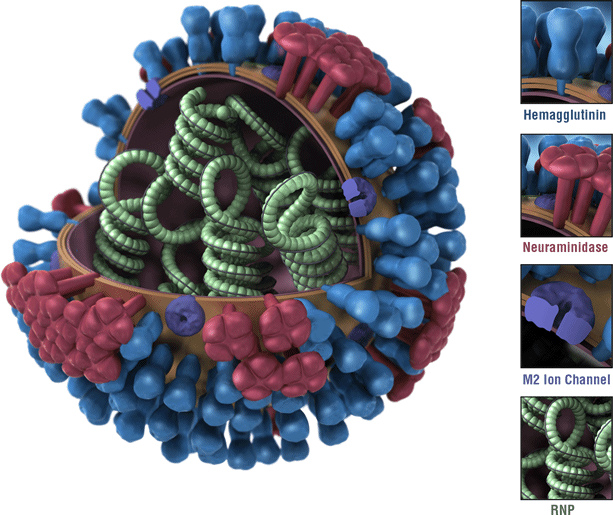
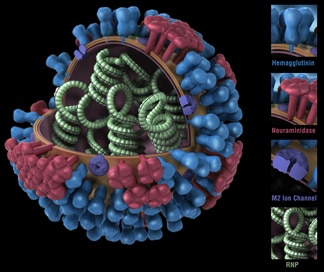
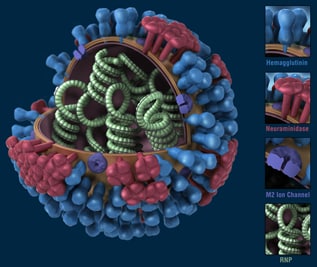
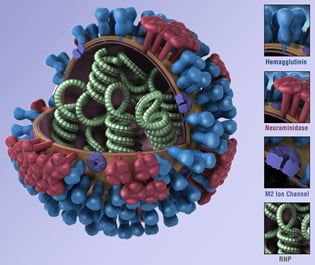
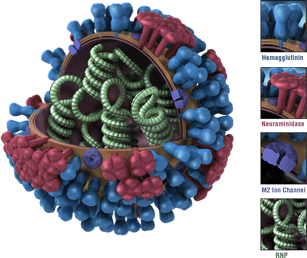
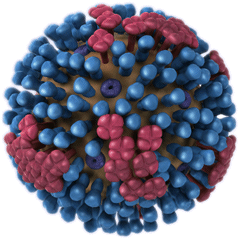
Graphical Representations of a Generic Influenza Virus


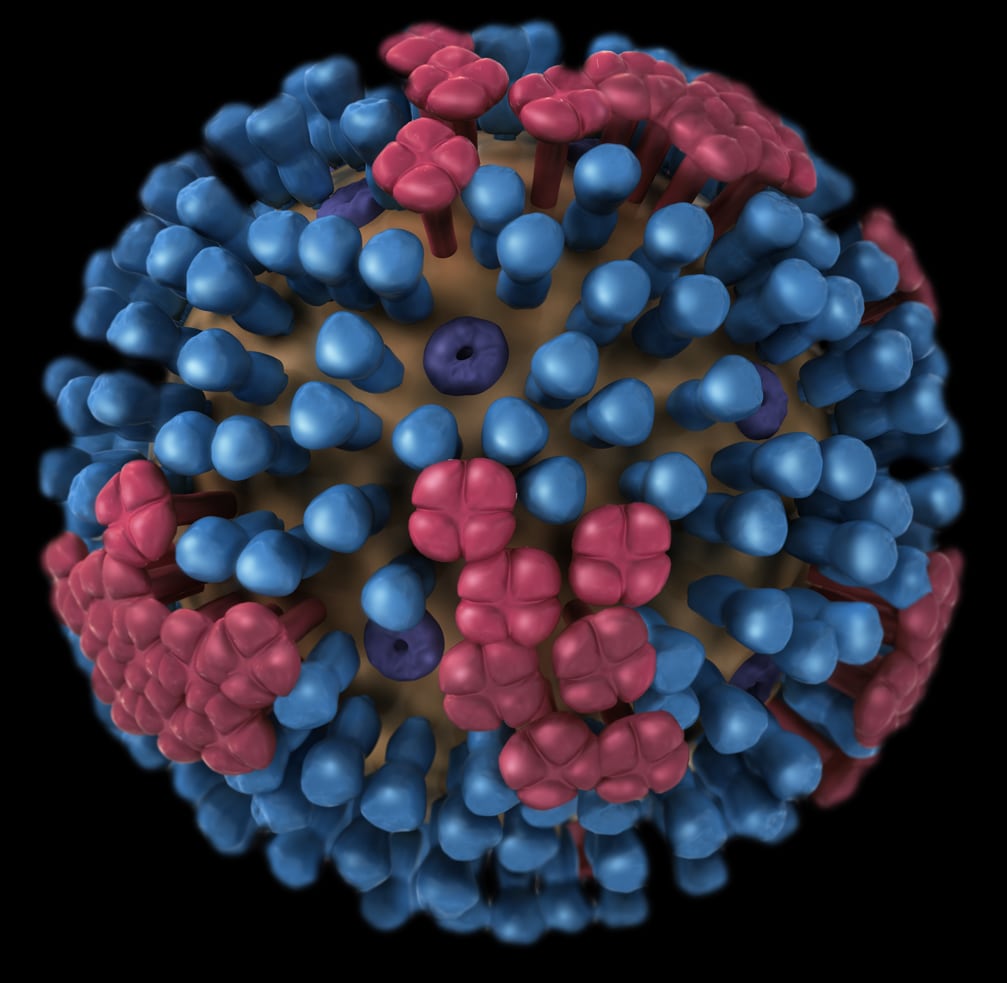
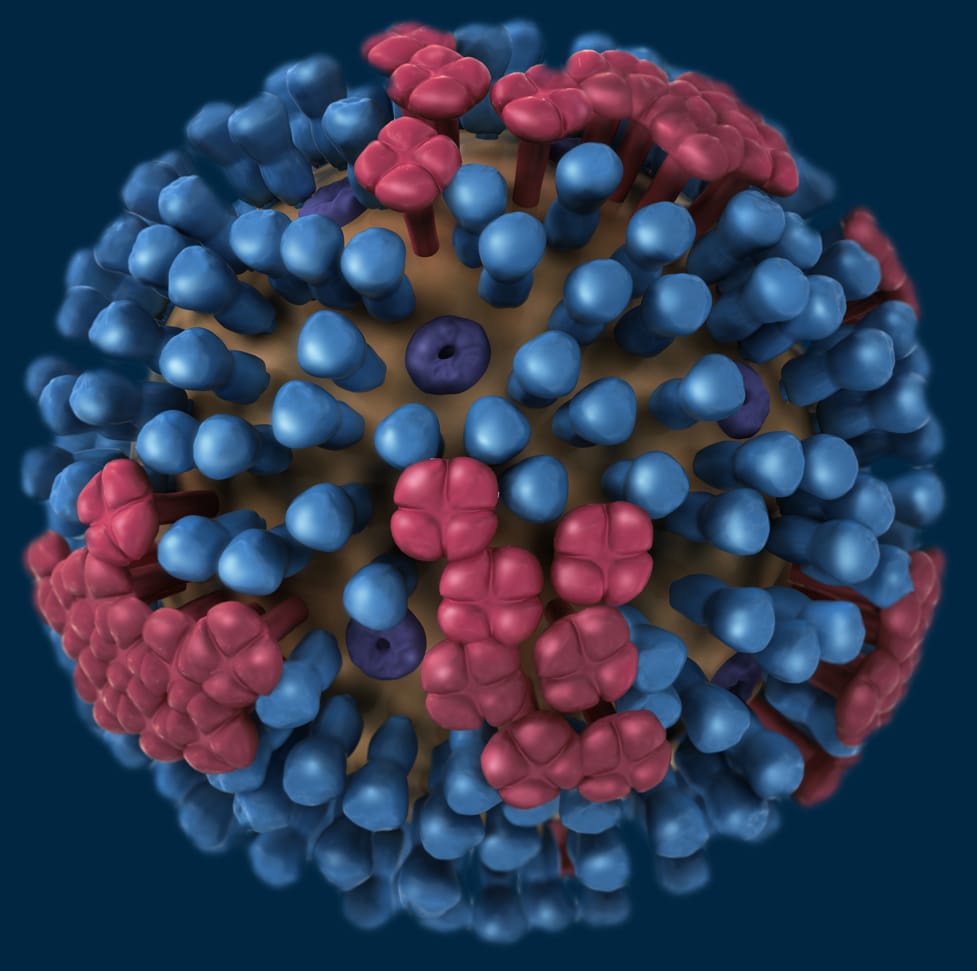
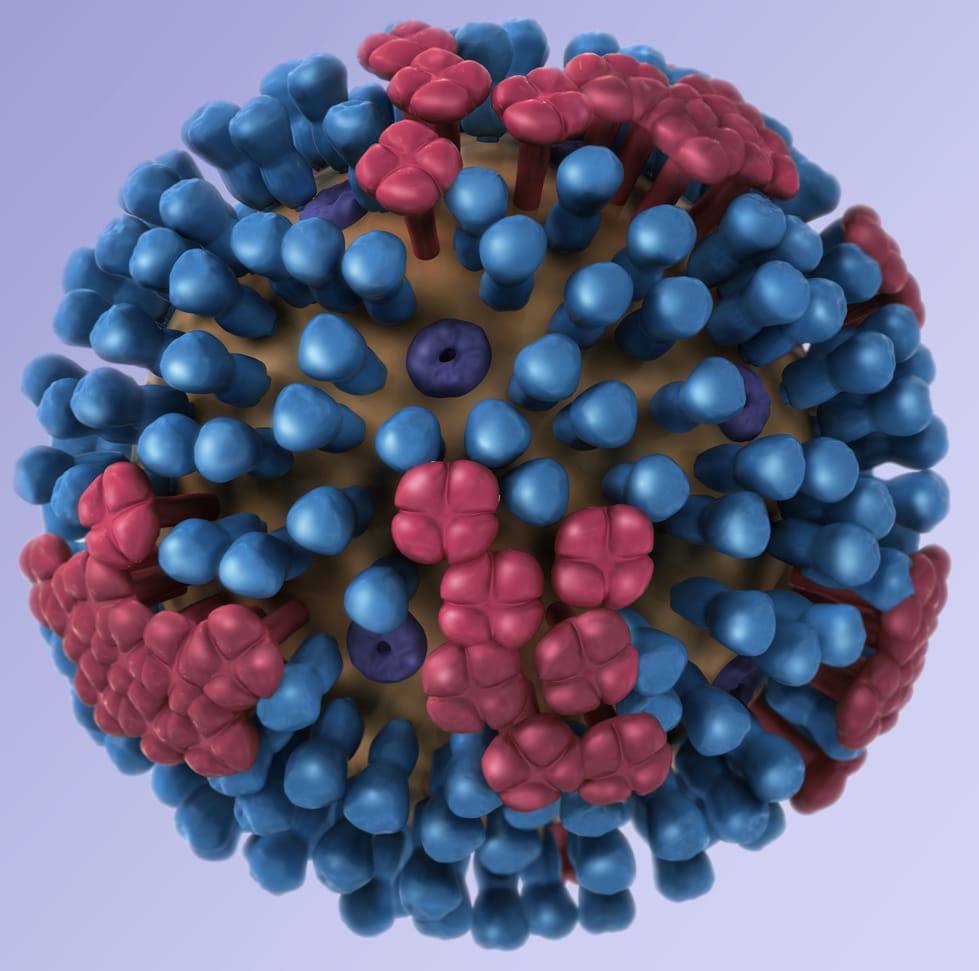
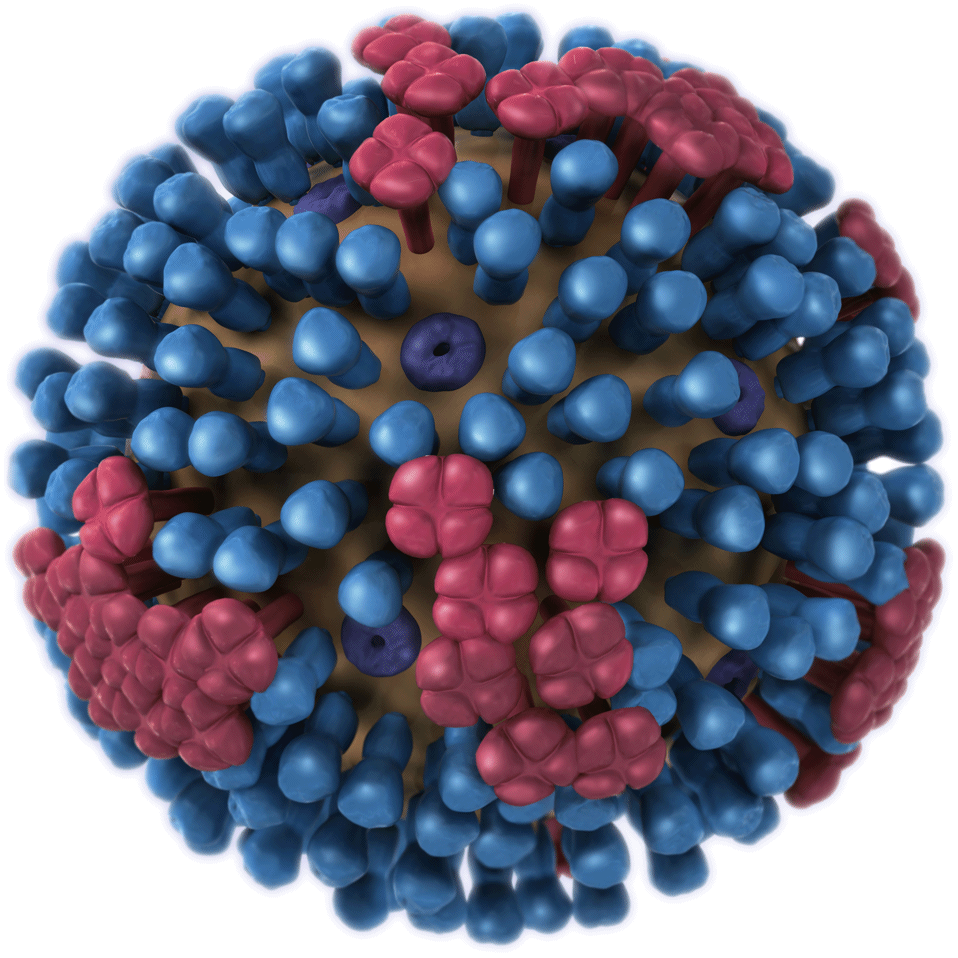
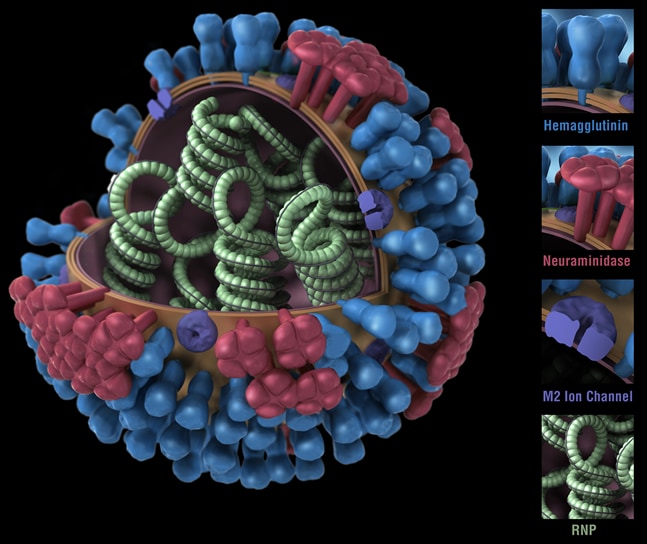
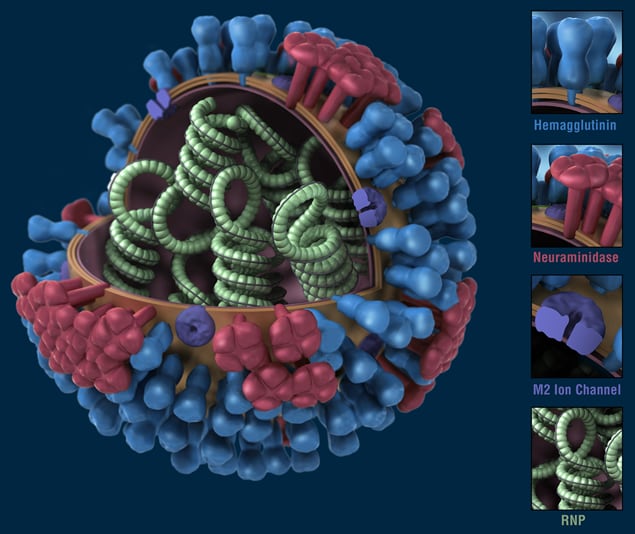
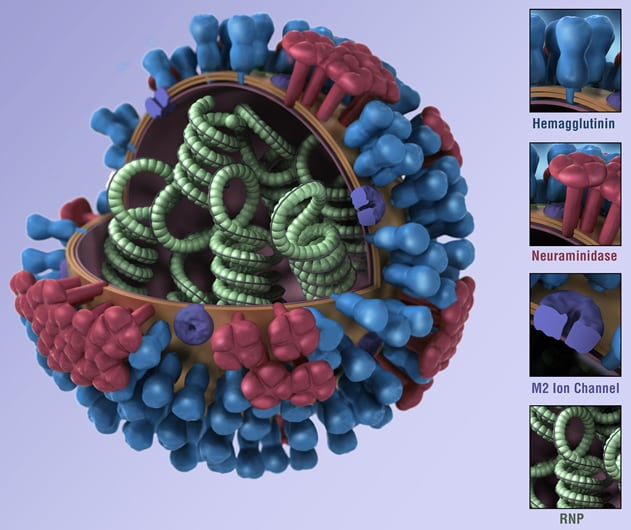
These images provide a 3D graphical representation of the biology and structure of a generic influenza virus, and are not specific to the 2009 H1N1 virus. Available for download in 72 dpi.

General structure and biology of influenza viruses

3D View - Full Available in these background colors Posted November 25, 2009
Black Blue Purple Transparent

General structure and biology of influenza viruses

3D View - Full Sliced Available in these background colors Posted November 25, 2009
Black Blue Transparent

General structure and biology of influenza viruses

3D View - Full Sliced w/Key Available in these background colors Posted November 25, 2009
Black Blue Purple Transparent

Related Images


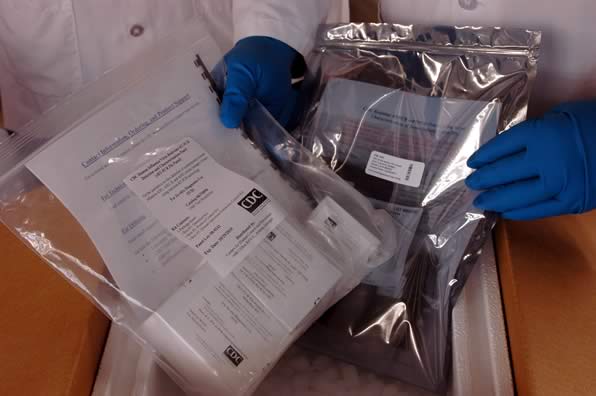
CDC developed PCR diagnostic test to detect novel H1N1 virus.

CDC-developed PCR diagnostic test to detect novel H1N1 virus. Photo by Greg Sykes, ATCCDownload 72 dpi JPEG image:

Read more...

Questions & Answers about 2009 H1N1 Flu In The News

2009 H1N1 and Seasonal Influenza Infections and Invasive Pneumococcal Disease


Some of CDC's Active Bacterial Core surveillance (ABCs) sites have seen an increase in serious cases of pneumococcal disease coincident with increases in influenza-associated hospitalizations. CDC has been working with state and local public health officials in Colorado for example concerning its ABCs site in the Denver Metro area to collect additional data on pneumococcal disease cases.
There is good evidence that 2009 H1N1 influenza may be responsible for this increase in invasive pneumococcal disease (IPD) cases in the Denver Metro area. (5-year average number of cases in October, ~20; total number in October 2009, 58).
The increase in IPD cases in the Denver Metro area is primarily among younger adults with 36 out of 58 (62%) cases occurred among 20-59 year olds. In a typical non-pandemic year, most IPD cases occur among persons 65 years of age and older.
What occurred in Denver is likely an indicator of what is happening in other parts of the country.  Data shown below is preliminary and subject to change upon further investigation.
For more information on preventing pneumococcal infections secondary to seasonal and 2009 H1N1 influenza: http://www.cdc.gov/h1n1flu/vaccination/public/public_pneumococcal.htm.

2009 H1N1 Influenza Vaccination Safety

How many adverse event reports among people who received 2009 H1N1 vaccine have been reported to CDC?
As of November 20, 2009, the CDC Vaccine Adverse Event Reporting System (VAERS) had received 3,182 adverse event reports following 2009 monovalent H1N1 vaccination. The vast majority (94%) of adverse events reported to VAERS after receiving the 2009 monovalent H1N1 vaccine have not been serious (e.g., they encompass things like soreness at the vaccine injection site). CDC and FDA will be providing weekly updates on our vaccine safety monitoring activities in an effort to better characterize data that are being viewed publicly through the Vaccine Adverse Event Reporting System (VAERS; and CDC’s website, WONDER (http://wonder.cdc.gov/vaers.html). 
How does 2009 H1N1 vaccine safety compare to seasonal flu vaccine safety?
The number of serious health events reported after H1N1 vaccination is very similar to the number of reports that typically follow seasonal influenza vaccines. Additionally, no new or unusual events or pattern of adverse events have emerged.
How many Guillain-Barré syndrome (GBS) cases have been reported after 2009 H1N1 vaccination?
We know there has been interest in Guillain-Barré syndrome (GBS). CDC employs three vaccine monitoring systems that will alert us quickly should any indications of GBS-related issues arise, including: Vaccine Adverse Event Reporting System (VAERS), Vaccine Safety Datalink (VSD), and a collaboration in 10 states to look actively look for cases of GBS regardless of vaccination. To date, there are no indications of GBS-related problems with the 2009 H1N1 vaccine. It is important to note that each week in the United States, about 80-160 cases of GBS occur in the general population - regardless of vaccination.  For more information about GBS: http://www.cdc.gov/h1n1flu/vaccination/factsheet_gbs.htm.
How is the government monitoring H1N1 vaccine safety?


The Federal government has a robust vaccine safety monitoring program that has been enhanced further to ensure 2009 H1N1 vaccine safety.

Reports of Changes to the 2009 H1N1 Virus

November 24, 2009 6:00 PM ET

Have changes to the 2009 H1N1 virus been reported?
The majority of 2009 H1N1 viruses tested by CDC and the other three World Health Organization (WHO) Collaborating Centres located around the world are similar and have changed relatively little since April 2009 when the 2009 H1N1 virus was first detected. However, there have been occasional reports of small changes in the genes of some virus samples collected from some people infected with 2009 H1N1 in several countries.
What are these changes to the 2009 H1N1 virus and what are the implications for public health?
The changes to the 2009 H1N1 virus that have been reported out of Norway, and that WHO has reported as being detected occasionally in viral isolates in other countries, are scientifically known as D222G and D222N changes. The public health implications of these changes are currently being studied by CDC and WHO scientists. At this time, these changes appear to occur sporadically and spontaneously. No links between the small number of patients infected with 2009 H1N1 virus with these changes have been found, and viruses with these changes do not appear to be spreading to other people. Although further investigation is underway, there is no evidence that these changes in the 2009 H1N1 virus have lead to an unusual increase in the number of 2009 H1N1 infections or to a greater number of severe or fatal cases. Worldwide, these changes have been found in mild cases of 2009 H1N1 illness as well as severe cases of illness that have resulted in death. As a result, the public health significance of this finding remains unclear.
Will the 2009 H1N1 vaccine still protect against these viruses?
According to CDC and WHO experts, the 2009 H1N1 vaccine remains well matched with the 2009 H1N1 viruses that contain these small changes. There is no reason to think that the 2009 H1N1 vaccine will be less effective against these viruses based on the area of the influenza virus where these changes have occurred.
Will antiviral drugs work against the 2009 H1N1 viruses that have these changes?
The D222G and D222N changes found in these 2009 H1N1 isolates are not associated with resistance to oseltamivir or any other influenza antiviral medication.
Which countries have reported finding 2009 H1N1 viruses with these changes?
A recent report from the Norwegian Institute of Public Health described a change in the 2009 H1N1 virus (D222G) found in the first two people in Norway who died from 2009 H1N1 as well as an additional Norwegian patient with severe influenza illness. This D222G change was not found in the virus samples isolated from other people who died in Norway of 2009 H1N1 related causes. Norwegian scientists have analyzed samples from more than 70 patients infected with 2009 H1N1, and no additional viral isolates containing these changes have been found.
In addition to Norway, CDC has received sporadic reports of these changes found in viral isolates from Australia, Brazil, China, Japan, Mexico, Saudi Arabia, Ukraine, Uruguay and the United States.

2009 H1N1 Hospitalizations in People with Asthma November 4, 2009

What does CDC know about hospitalizations among people with asthma who get 2009 H1N1 flu?
People with asthma are at higher risk for serious complications from influenza (flu), including 2009 H1N1 flu. This can place people with asthma at higher risk of hospitalization when they have 2009 H1N1 flu. CDC monitors 2009-H1N1 related hospitalizations, including among people with asthma, through the Emerging Infections Program (EIP).
What is the Emerging Infections Program (EIP)?
The EIP Influenza Project conducts surveillance for laboratory-confirmed influenza (flu) related hospitalizations in children (persons younger than 18 years) and adults in 62 counties covering 13 metropolitan areas of 10 states (for more information see the overview of influenza surveillance in the United States). Cases are identified by reviewing hospital laboratory and admission databases and infection control logs for children and adults with a documented positive influenza test* conducted as a part of routine patient care. EIP estimated hospitalization rates are reported every week during the flu season.
*Tests used by EIP to confirm influenza infection include viral culture, direct/indirect fluorescent antibody assay (DFA/IFA), real-time reverse transcriptase polymerase chain reaction (rRT-PCR), or a commercial rapid antigen test.
What percentage of people hospitalized with 2009 H1N1 flu have asthma?
According to Emerging Infections Program (EIP) data collected from April 15 through October 27, 2009, 32% of people hospitalized with 2009 H1N1 had asthma. Among adults hospitalized with 2009 H1N1, 30% had asthma, whereas 35% of hospitalized children with 2009 H1N1 had asthma.
What percentage of people hospitalized with asthma and 2009 H1N1 are admitted to an Intensive Care Unit (ICU)?
According to Emerging Infections Program (EIP) data collected from April 15 - October 27, 2009, 21% of hospitalized adults with asthma and a 2009 H1N1 infection and 18% of hospitalized children with asthma and a 2009 H1N1 infection were admitted to an ICU. No significant differences in the number of ICU admissions were noted between 2009 H1N1 infected people hospitalized with or without asthma.

2009 H1N1 Hospitalizations by Age Group

October 20, 2009 What percentage of hospitalizations for 2009 H1N1 flu occur in different age groups in the United States?
The percentage of hospitalizations for 2009 H1N1 flu in the United States varies by age group. From August 30, 2009 through October 10, 2009, states reported 4,958 laboratory-confirmed 2009 H1N1 hospitalizations to CDC. The percentage of 2009 H1N1 related hospitalizations that occurred among those 0 to 4 years old was 19%; among those 5 years to 18 years was 25%; among people 19 years to 24 years was 9%; among those 25 years to 49 years was 24%; among people 50 to 64 years was 15%; and among people 65 years and older was 7%. For a graphical representation of this data, please see the chart below.
Percentage of hospitalizations for 2009 H1N1 flu that occur in different age groups
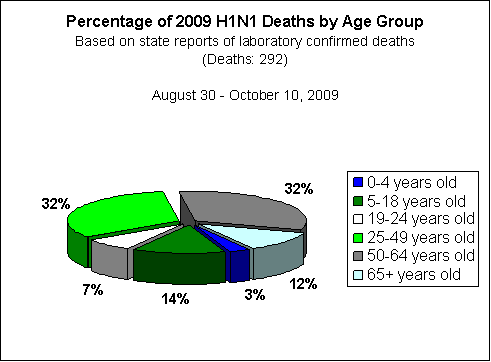
What percentage of deaths for 2009 H1N1 flu occur in different age groups in the United States?
The percentage of deaths for 2009 H1N1 flu in the United States varies by age group. From August 30, 2009 through October 10, 2009, states reported 292 laboratory-confirmed 2009 H1N1 deaths to CDC. The percentage of 2009 H1N1 related deaths that occurred among people 0 years to 4 years was 3%; among those 5 years to 18 years was 14%; among people 19 to 24 years was 7%; among people 25 to 49 years was 33%; among people 50-64 years was 32%; and among people 65 years and older was 12%. For a graphical representation of this data, please see the chart below.
Percentage of deaths for 2009 H1N1 flu that occur in different age groups.
Read more...

Origin of 2009 H1N1 Flu (Swine Flu): Questions and Answers


Where did the 2009 H1N1 flu virus come from?

The 2009 H1N1 influenza virus (referred to as “swine flu” early on) was first detected in people in the United States in April 2009. This virus was originally referred to as “swine flu” because laboratory testing showed that its gene segments were similar to influenza viruses that were most recently identified in and known to circulate among pigs. CDC believes that this virus resulted from reassortment, a process through which two or more influenza viruses can swap genetic information by infecting a single human or animal host. When reassortment does occur, the virus that emerges will have some gene segments from each of the infecting parent viruses and may have different characteristics than either of the parental viruses, just as children may exhibit unique characteristics that are like both of their parents. In this case, the reassortment appears most likely to have occurred between influenza viruses circulating in North American pig herds and among Eurasian pig herds.  Reassortment of influenza viruses can result in abrupt, major changes in influenza viruses, also known as “antigenic shift.” When shift happens, most people have little or no protection against the new influenza virus that results. For more information, see “How the Flu Virus can Shift: Drift for Shift.”

Why does CDC think this?

There are three primary reasons why experts from CDC and other public health research institutions around the world think 2009 H1N1 influenza resulted from reassortment of influenza viruses that occur naturally among pigs.
Reason One
The different gene segments of the 2009 H1N1 influenza virus are traceable to influenza viruses found in pigs. All influenza viruses have eight genes. Six of the eight genes found within the 2009 H1N1 influenza virus are associated with influenza viruses that regularly cause illness in pigs in North America. The remaining two genes of the 2009 H1N1 flu virus are associated with influenza viruses that previously were only known to be circulating among pigs from Eurasia.1, 2 The mixing of live pigs from Eurasia and North America through international trade or other means could have created the circumstances necessary for influenza viruses from North American and Eurasian pigs to mix. In fact, a 2009 study in Nature demonstrated that reassortant influenza viruses with genes from North American and Eurasian pigs were found in samples collected from pigs in Hong Kong as early as 2004.2*
*The reassortant influenza viruses found in Hong Kong from 2004 are different from the 2009 H1N1 influenza viruses that have caused human illness around the world today, but these viruses serve as an example of how reassortment can occur naturally among influenza viruses found in Eurasian and North American pigs.
Reason Two


Evidence suggests that the 2009 H1N1 influenza virus has existed and evolved in nature for some time prior to being detected in humans. There are laboratory techniques available for looking at how and at what speed influenza viruses evolve and change. This is related to a concept known as “molecular evolution.”  Evolution refers to small changes in influenza viruses that happen continually over time. Generally speaking, influenza viruses generate mutations by passing from one animal to another animal for several years and through virus replication in the animal host. These mutations are represented by changes in the nucleotides and amino acids found within influenza viruses. These small changes occur at a relatively stable rate in all influenza viruses. As a result, scientists can compare the number of mutations found within a new influenza virus with older, related influenza viruses to estimate the amount of time that it may have taken for one strain to evolve into a new strain of influenza virus.  Researchers at CDC used this molecular evolution method to determine that the 2009 H1N1 influenza virus likely evolved in nature – perhaps through circulation in an unknown animal host – for a number of years before being detected. At this time, CDC continues to monitor the 2009 H1N1 influenza virus for changes. Research so far suggests that the 2009 H1N1 influenza virus is changing at a normal rate as compared to other influenza viruses.
Reason Three
The 2009 H1N1 influenza virus does not have the adaptations that are typical of influenza viruses grown or created in laboratories. For example, the standard method of growing influenza virus in laboratories involves injecting the virus into fertilized chicken eggs. The 2009 H1N1 influenza virus lacks the properties associated with growth in eggs.

Have viruses similar to the 2009 H1N1 virus been seen before?

Prior to the discovery of the 2009 H1N1 influenza virus, this particular combination of gene segments from North American and Eurasian swine had never been detected before in a single influenza virus and this new virus is different from the influenza viruses that normally circulate in North American and Eurasian pigs. It is not known when reassortment occurred to create the 2009 H1N1 influenza virus.  Testing of the virus suggests that this reassortment event may have occurred years prior to the first reports of 2009 H1N1 influenza infection in people.1, 2 Scientists call 2009 H1N1 influenza a "quadruple reassortant" virus, because although each separate gene segment of the virus has been found in pigs previously, the individual gene segments of the virus originated from humans, birds, North American pigs and Eurasian pigs.

Why does the 2009 H1N1 flu virus have genes from humans, birds, and from pigs on different continents?

Pigs can be infected by influenza viruses found in birds and other animals as well as people.  Therefore, pigs represent a mixing vessel in which influenza viruses from different species can swap genes. For example, in a setting where people and animals are in close contact, pigs can be infected by influenza viruses found in pigs, poultry or humans – sometimes at the same time. For at least 80 years, influenza viruses known as “classical swine H1N1” viruses have circulated in North American pigs. However, in the late 1990s, a series of reassortment events occurred between influenza viruses found in pigs, humans and birds. As a result, swine influenza viruses with genes from humans, North American pigs and birds have existed in many parts of the world for around 10 years prior to 2009 H1N1 flu. Mixing of these “triple reassortant North American swine influenza viruses” with Eurasian swine viruses likely resulted in the 2009 H1N1 influenza virus.

Was the 2009 H1N1 flu virus created in a laboratory?

This is very unlikely. Each of the gene segments within the 2009 H1N1 influenza virus have been found in pigs for more than 10 years prior to the beginning of the 2009 H1N1 influenza outbreak.2  Pigs have long been considered a possible mixing vessel for influenza viruses that originate within pigs, birds and humans. In addition, a 2009 Nature study showed that reassortment between influenza viruses found in North American and Eurasia pigs had already occurred at least once naturally in the 5 years prior to the identification of 2009 H1N1 flu. Also, the 2009 H1N1 influenza virus does not have adaptations consistent with viruses grown in laboratories. For more information, see reasons 1, 2 and 3 above.

How often does reassortment of influenza viruses occur?

We know that reassortment occurs frequently in nature. Fortunately, reassortment rarely results in a virus with pandemic potential, though it has done so at least twice in the 20th century. The influenza viruses that caused the 1957 and 1968 pandemics contained a mixture of gene segments from human and avian influenza viruses.  What is clear from genetic analysis of the viruses that caused these past pandemics is that reassortment (gene swapping) occurred to produce novel influenza viruses that caused the pandemics.  In both of these cases, the new viruses that emerged showed major differences from the parent viruses.  However, not all viruses emerge directly from reassortment events. For example, the origins of the 1918 virus are not precisely known, but experts think it is likely that the 1918 virus may have resulted from a bird influenza virus directly infecting humans and pigs at about the same time without reassortment.

What can be done to identify influenza viruses circulating in animals that have pandemic potential?

The emergence of the 2009 H1N1 influenza virus in humans highlights the need for better surveillance of influenza viruses in pigs and other animals.  The mixing of influenza genes in pigs can result in the emergence of viruses with pandemic potential in humans. Improved surveillance of influenza in pigs and other animals may help to detect the emergence of influenza viruses with the potential to cause illness and spread among people, possibly resulting in a pandemic.  Early detection of such viruses can alert public health officials and aid in pandemic preparedness through the development of appropriate diagnostic tests and influenza vaccine candidate viruses, if necessary.

What scientific studies are available for additional information?

1. “Antigenic and Genetic Characteristics of the Early Isolates of Swine-Origin 2009 A (H1N1) Influenza Viruses Circulating in Humans” by Rebecca J. Garten & C. Todd Davis et al. Science. 325: no. 5937, pp. 197-201. (10 July 2009).
2. “Origins and evolutionary genomics of the 2009 swine-origin H1N1 influenza A epidemic” by Gavin J.D. Smith et al. Nature. 459, 1122-1125. (25 June 2009).
Read more...

2009 H1N1 Influenza: Resources for Pharmacists

General Information for Pharmacists


CDC has issued recommendations for clinicians on the use of antiviral medications for the treatment and prevention of influenza for the 2009-2010 season. The Food and Drug Administration (FDA) has authorized emergency use of oseltamivir (Tamiflu_) and zanamivir (Relenza under certain circumstances not included in the FDA-approved uses or outside of the FDA-approved uses in response to the declaration of a public health emergency involving 2009 H1N1 influenza A virus made by the Secretary of Health and Human Services on April 26, 2009.  Additionally, FDA has recently issued an Emergency Use Authorization for the use of an unapproved (investigational) intravenous drug (peramivir) for the treatment of 2009 H1N1 influenza virus in certain hospitalized adult and pediatric patients. 
The current public health emergency has affected the nation’s pharmacists as a greater number of people than usual seek to fill prescriptions for influenza antiviral drugs or antibiotics to treat secondary infections, in addition to seeking advice on over-the-counter cough and cold medications. This may have an impact on supplies and availability of antiviral medications and other materials that may be needed to fill such prescriptions.

Antiviral Availability

At this time, CDC discussions with the antiviral supply chain (manufacturers, distributors and retailers) indicate that supplies of the Tamiflu® adult capsule formulation (75  mg) and pediatric capsule formulations (30 mg and 45 mg) and Relenza®  Inhalation Powder  are meeting current demand for these products. However, the FDA and Roche (maker of Tamiflu®) have determined that supplies of Tamiflu® Oral Suspension are limited.
Pharmacies should be aware of the importance of providing patients with these influenza medications as quickly as possible when they are prescribed.  Having product at the pharmacy store level, including doses of Tamiflu® and Relenza®, and supplies to compound Tamiflu® Oral Suspension, will be critical to ensure that patients needing treatment receive it as quickly as possible.
  • Limited Availability of Commercial Tamiflu® Oral Suspension
    Supplies of commercially-manufactured Tamiflu® Oral Suspension are limited.  In response to this, Tamiflu® Oral Suspension has been released from the CDC Strategic National Stockpile to enhance availability at state and local levels.  Some of these lots of suspension product have an expired date on the label. Under the emergency use authorization for Tamiflu® FDA has authorized the use of certain lots of expired Tamiflu®. Based on scientific review, FDA found that some Tamiflu® may be used past the expiration date printed on the package. If you want to look up the lot number for your Tamiflu to see if it has been authorized for use past its expiration date, please see the listing of antivirals at or nearing expiry.


    When local supplies of commercially-manufactured oral suspension are limited, physicians should consider infants and children less than one year of age or less than 33 lbs to be the highest priority for receiving the commercial suspension.
    • FDA: Information for Healthcare Professionals – Authorization of Use of Expired Tamiflu for Oral Suspension
  • Supply of Ingredients Needed to Compound Tamiflu® Oral Suspension
    Tamiflu® capsules (75 mg) may be compounded using either of two vehicles: Cherry Syrup (Humco) or Ora-Sweet SF (sugar-free) (Paddock Laboratories).  As of October 28, 2009, these products may be in short supply in some locations if there is increased demand for compounding an oral suspension from Tamiflu® 75 mg capsules.

    Humco reports that they have increased production of Cherry Syrup and that they are releasing new production weekly to wholesalers.  If pharmacists are having difficulty obtaining Humco Cherry Syrup, they may contact Humco directly to locate supplies at 1-800-662-3435.  Paddock Laboratories reports that they have increased production of Ora-Sweet SF and they are releasing new production daily to customers. 
    • FDA: Tamiflu Oral Suspension Shortage Information
CDC will provide additional information and updates regarding antiviral drug supplies as needed.

Antiviral Prescription and Dispensing Considerations

Oseltamivir (Tamiflu®)

    External Web Site Icon
  • Complete information for the Emergency Use Authorization for Tamiflu® is available from CDC.  
    • CDC: Emergency Use Authorization for Tamiflu®
  • Alternatives to Tamiflu® Oral Suspension for Pediatric Patients
    While commercially-manufactured Tamiflu® Oral Suspension (12 mg/mL) is the preferred product for pediatric and adult patients who have difficulty swallowing capsules or where lower doses are needed, this product may not be locally available.

    For patients who are less than one year old, there is one alternative:
    • a suspension compounded by a retail pharmacy (see links below)
    For children who are at least one year old there are two alternatives:
    • a suspension compounded by a retail pharmacy (see links below)
    • 30mg, 45mg, or 75 mg capsules, which may be mixed into a sweetened liquid by a caregiver if the child cannot swallow capsules (see links below).
  • Tamiflu® Oral Suspension Compounded by a Retail Pharmacy
    Compounding an oral suspension from Tamiflu® 75mg capsules as described in the FDA-approved manufacturer package insert  is an alternative when commercially-manufactured oral suspension formulation is not readily available. Tamiflu® 75 mg capsules may be compounded using either of two vehicles: Cherry Syrup (Humco) or Ora-Sweet SF (sugar-free) (Paddock Laboratories). Other supplies needed include mortar and pestle and a standard pharmacy bottle, such as an amber glass or amber polyethyleneterephthalate (PET) bottle.
Read more...

Sebelius Attends Opening of Cell-Based Influenza Vaccine Manufacturing Facility


 Sebelius Attends Opening of Cell-Based Influenza Vaccine Manufacturing Facility

Secretary Sebelius attended the opening of a new cell-based influenza vaccine manufacturing facility on Tuesday, November 24.  HHS helped support the development of the U.S. cell-based influenza vaccine manufacturing facility in Holly Springs, North Carolina through a public-private partnership with Novartis Vaccines and Diagnostics, Inc.  The facility is the first of its kind in the United States.
"The opening of Novartis's cell-based influenza manufacturing plant in Holly Springs, North Carolina is an important step forward in expanding our domestic influenza vaccine manufacturing capability," said Secretary Sebelius.  "Built upon financial support from HHS, this facility lays the cornerstone for a strong, flexible flu vaccine manufacturing infrastructure, and moves us down the path we have set to transform vaccine technologies that will support rapid, flexible and reliable approaches to influenza and other emerging threats. The completion of this plant is a significant investment for the U.S. and demonstrates the power of effective public-private partnerships."
Novartis expects the facility to be ready as early as 2011 to produce vaccine for emergency use in a situation such as a pandemic.  The plant is intended to be running at full-scale commercial production capacity in 2013 in order to provide substantial amounts of pandemic vaccine within 6 months of pandemic onset as well as provide flexible manufacturing capability for other vaccine needs.
Sebelius Attends Opening of Cell-Based Influenza Vaccine Manufacturing Facility

Read more...
 
.::Environment & Climate Change::. © 2011 DheTemplate.com & Main Blogger. Supported by Makeityourring Diamond Engagement Rings

You can add link or short description here